Skylight Cleaning in Seattle, WA
A skylight can lose much of its clarity when rain marks, pollen, roof debris, and exterior film settle across the glass. With Sam’s Suds, residential skylight cleaning is planned around roof access, glazing condition, seals, and the buildup actually covering the surface.
Roof-Level Glass Collects A Different Kind Of Buildup
Unlike vertical windows, skylights face upward into rain, falling leaves, pollen, bird debris, and material moving across the roof. Residue can remain visible long after the surrounding roofing looks relatively clean, especially around edges where moisture and fine debris settle.
Seattle’s wetter months can make dried spotting and organic film more noticeable once daylight shines through the glass. A cloudy skylight may still admit light, but accumulated residue can change how clear and bright the opening appears from inside the room.
Other household glass may show completely different wear patterns. When standard windows also need attention, interior and exterior window cleaning can be handled separately instead of treating roof glazing and vertical panes as the same cleaning job.
When Skylight Glass Starts Showing Its Exposure
- Daylight looks hazy through otherwise clear glazing
- Water spots remain visible after the roof dries
- Leaves or organic debris collect around skylight edges
- Exterior film becomes obvious from inside the room
How We Approach Hard-To-Reach Skylight Glass
1. Review Roof Access
Roof pitch, skylight position, surrounding surfaces, ladder access, and working space are considered before deciding how the glass can be reached safely.
2. Inspect The Glazing
Visible residue, dried water marks, frame condition, and areas around the seals are checked so the cleaning stays focused on the glass surface.
3. Clean Without Hardscape Methods
Exterior dirt is removed using an approach suited to glazing rather than pressure settings intended for concrete, masonry, or other durable ground-level materials.
4. Look At Nearby Roof Features
Where skylights sit close to rooftop equipment, specialized solar panel cleaning may make sense as a separate service for panels carrying similar pollen or weather residue.
Skylight Design Changes How Dirt Settles
Pitched Roof Skylights
Sloped glazing can shed some rainwater naturally, yet dried droplets, pollen, and roof debris may still collect along lower edges, frames, and surrounding flashing.
Low-Slope Or Flatter Units
Glass with less pitch may retain moisture and fine residue longer, making film, spotting, and debris accumulation easier to notice from inside the home.
Condition around the opening matters as well. If algae, dirt, or loose debris extends across the surrounding roofing, professional roof cleaning may address that separate surface without turning skylight cleaning into a general roof-washing task.
A Skylight Needs More Than Ordinary Window Wiping
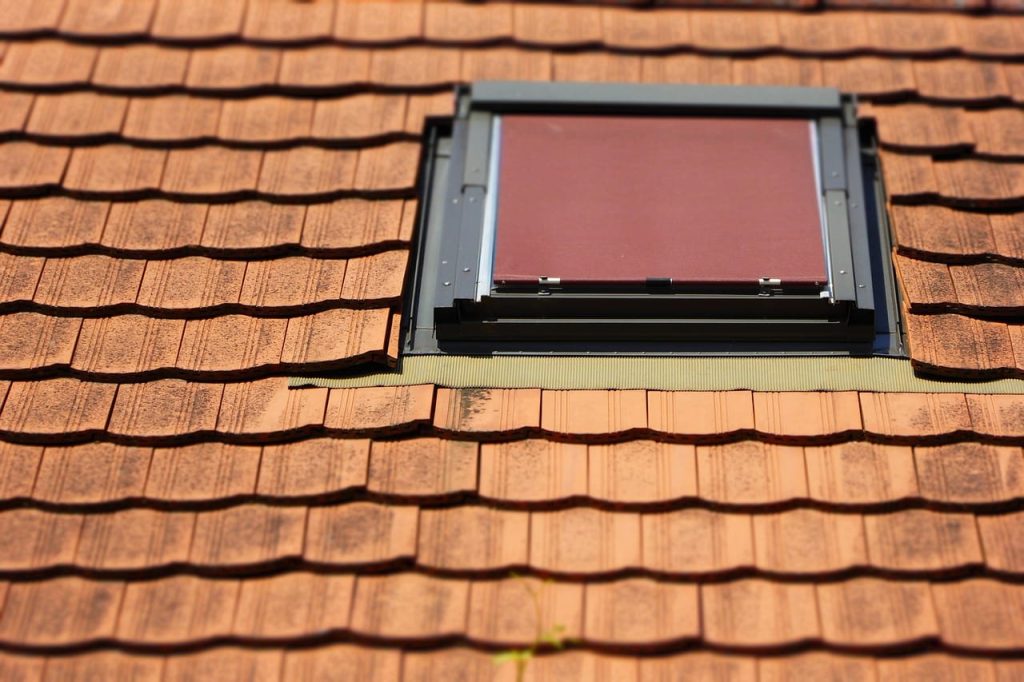
Roof glazing combines glass clarity with elevated access, seals, flashing, and surrounding roofing materials, so the job involves more than simply reaching the pane. Sam’s Suds treats skylights as a distinct exterior surface, while homeowners with broader needs can explore residential exterior cleaning services for other parts of the property.
Tip: Skylight spotting can look minor from the roof yet appear much more noticeable indoors when direct daylight passes through the glass.
Skylight Cleaning FAQs
Why do skylights get dirty faster than some regular windows?
Their upward-facing position exposes them directly to rainfall, pollen, leaves, bird debris, and material moving across the roof. The exact rate of buildup depends on roof pitch, nearby trees, surrounding vegetation, and how quickly the glass dries between wet periods.
Can hard water spots develop on skylight glass?
Yes. Mineral residue can remain after water evaporates, especially where droplets repeatedly dry on the same sections of glass. How noticeable the marks become depends on water exposure, surface condition, and how long the deposits have remained in place.
Does skylight cleaning include the surrounding roof?
Not automatically. Skylight glass and roofing are separate surfaces with different cleaning needs. The glazing can be cleaned as its own service, while roof dirt, algae, moss, or debris may require separate attention if those conditions are also present.
Can skylights be cleaned at the same time as solar panels?
Both services can be discussed during the same project when roof access makes that practical, but each surface should still be handled according to its own material. Solar panels, skylight glass, frames, and seals do not necessarily call for identical cleaning methods.
Can skylight cleaning be scheduled with other exterior services?
Yes. Skylight cleaning can be discussed alongside roof, window, or solar panel work when those areas also need attention. Homeowners can request an exterior cleaning estimate and include the additional surfaces they want reviewed during the same inquiry.
Get A Skylight Cleaning Estimate
Let Sam’s Suds know how many skylights are involved, where they sit on the roof, and what type of buildup is visible.
- Roofline Glass Care
Services That Fit Naturally Around Skylight Cleaning
Skylights share the roof with panels, roofing materials, drainage areas, and other exposed surfaces. These services address nearby buildup without assuming one cleaning method belongs everywhere.

Window Cleaning
Clean interior and exterior household glass when standard windows have developed the same haze, fingerprints, pollen, or water spotting seen overhead.
Solar Panel Cleaning
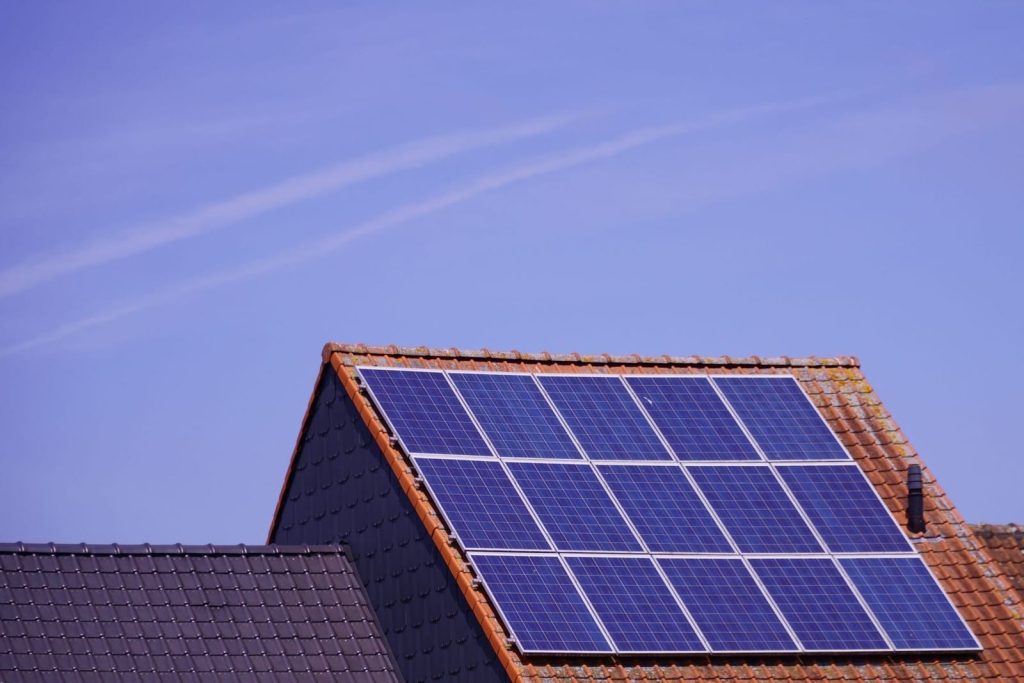
Remove dust, pollen, and exterior residue from rooftop panels when neighboring equipment is showing buildup alongside skylights.

Roof Cleaning
Clear dirt, algae, loose debris, and staining from surrounding roofing when the problem extends beyond the skylight glass itself.
Gutter Cleaning
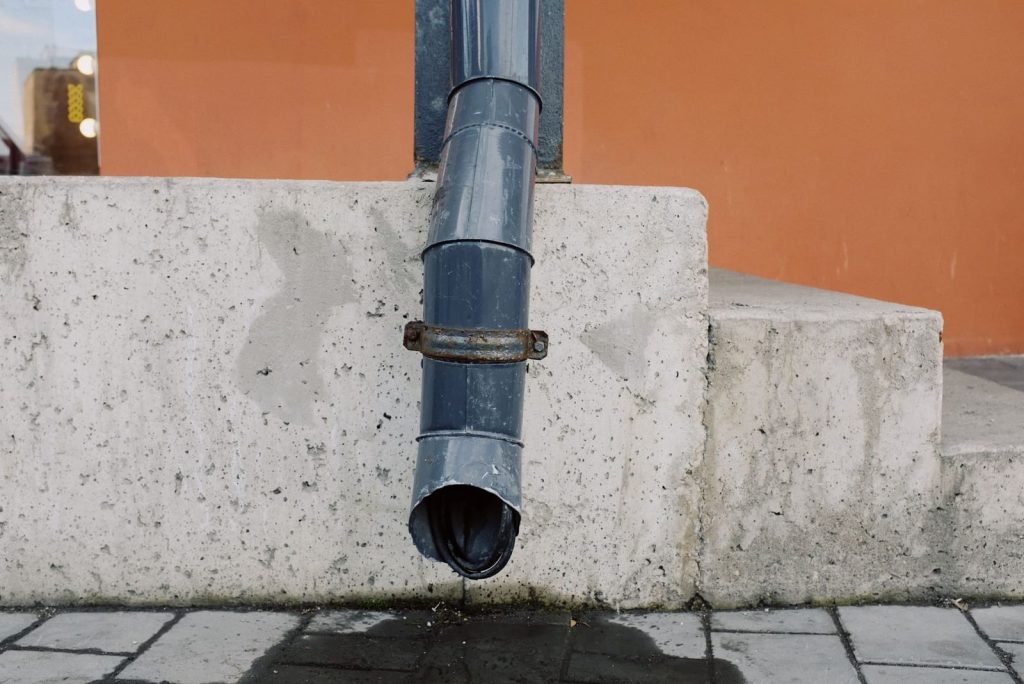
Remove roof debris from gutters and downspouts when leaves and organic material around skylights eventually move toward the drainage system.
Let More Clear Daylight Come Through
A cloudy skylight can change the feel of a room even when the glass is still letting light inside. By reviewing roof access, glazing condition, and visible residue, Sam’s Suds can define the cleaning scope around what the skylight actually needs.