Fence Cleaning in Seattle, WA
Fence panels collect rain marks, algae, dirt, and organic staining from both sides of the property line. The cleaning approach at Sam’s Suds changes with the fence material, surface weathering, and how firmly buildup has settled into the panels.
Why Fences Show Weathering So Quickly
Vertical fencing stays exposed to rainfall, sprinkler spray, pollen, soil splash, and nearby vegetation throughout the year. In Seattle’s damp climate, shaded sections can remain wet longer, allowing green organic staining to become especially noticeable near the bottom of panels and around posts.
Fence material makes a major difference in how that buildup should be handled. Natural wood can show grain, weathering, and fiber wear, while vinyl has a smoother surface that collects grime differently and may respond to a gentler rinse.
When fencing is only one part of a larger exterior cleanup, homeowners can also review residential exterior cleaning experts and the broader service options available for other surfaces around the property.
Signs Your Fence Is Due For Cleaning
- Green algae or dark organic stains spread across panels
- Dirt and splash marks build up near the bottom edge
- Shaded sections look noticeably darker than exposed areas
- Posts, rails, or panel joints hold visible grime
How We Approach Residential Fence Washing
1. Identify The Fence Material
Wood, vinyl, painted surfaces, coatings, and existing weathering are reviewed first because each one can change how the washing should be handled.
2. Locate The Heaviest Staining
Panels near landscaping, shaded corners, lower rails, and splash zones are checked for algae, dirt, and organic buildup that may need extra attention.
3. Clean With Controlled Force
The goal is to lift grime without unnecessarily roughening wood fibers or treating lighter fence materials like dense concrete or masonry.
4. Separate Adjacent Surfaces
Patios, walkways, or other hard areas beside the fence may call for outdoor pressure washing solutions instead of the same method used on fence panels.
Wood And Vinyl Fences Need Different Care
Wood Fence Panels
Natural grain, age, coatings, and surface weathering all affect how much cleaning force the wood should receive and how visible staining may remain.
Vinyl Fence Surfaces
Vinyl does not have exposed wood fibers, but it can still collect algae, dirt, pollen, and splash marks that become obvious on lighter-colored panels.
Outdoor spaces often share the same exposure. When nearby boards carry similar moisture-related buildup, wood and composite deck cleaning can address that surface separately.
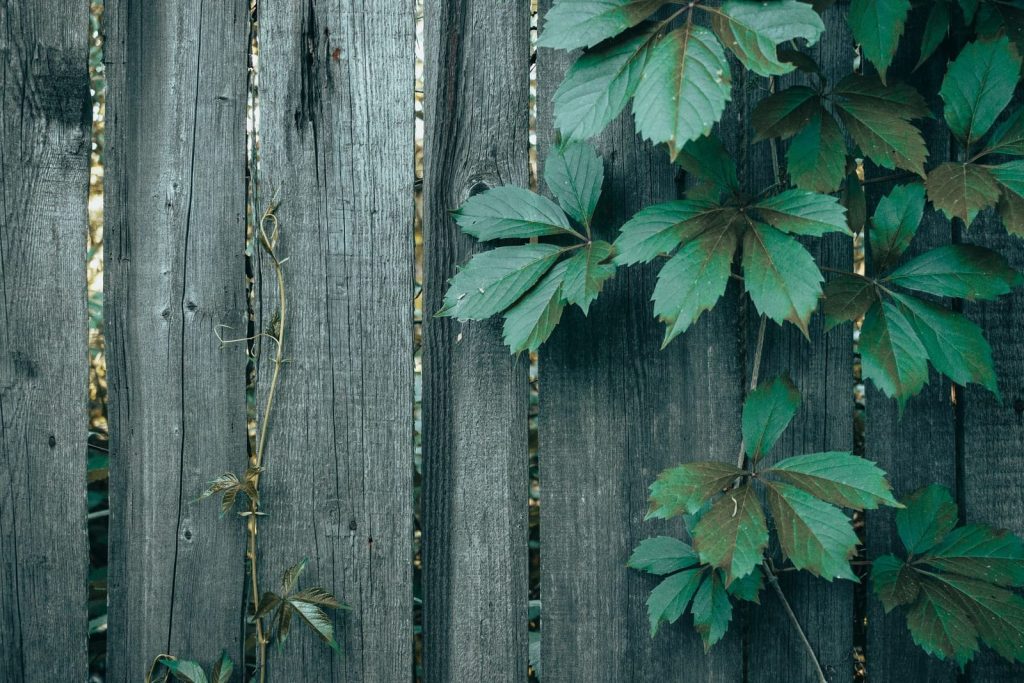
Fence Cleaning Is Not About Using Maximum Pressure
A clean fence does not require the strongest possible spray. Material, age, coatings, wood fibers, joints, and existing wear all influence how aggressively a surface should be cleaned, so Sam’s Suds matches the washing approach to the fence rather than treating every panel like a hardscape.
Tip: Fence sections behind shrubs or along shaded property lines often stay damp longer, which can make organic staining return there sooner than on sunnier panels.
Fence Cleaning FAQs
What causes green staining on residential fences?
Algae and other organic buildup can develop where moisture lingers, especially on shaded panels or sections near vegetation. Rainfall, sprinkler overspray, soil splash, and limited airflow can all contribute to the darker green appearance homeowners notice over time.
Can an older weathered wood fence still be cleaned?
Often, yes, but the condition of the wood matters. Soft fibers, peeling coatings, cracks, and heavy weathering may require a more cautious approach than newer boards, so cleaning decisions should reflect the actual surface instead of relying on one standard method.
Is vinyl fence cleaning different from wood fence cleaning?
Yes. Vinyl has a smoother, non-wood surface, while natural timber has grain and fibers that can be affected by excessive force. Both may collect similar dirt or algae, but they should not automatically receive identical cleaning pressure or technique.
Do both sides of the fence need to be cleaned?
That depends on the buildup and the homeowner’s goals. One side may face heavier shade, landscaping, or street exposure than the other, so the scope can be based on which panels actually need attention rather than assuming both sides require equal work.
What affects the cost of professional fence cleaning?
Fence length, height, material, access, staining, vegetation, and surface condition can all influence the project. Homeowners can request an exterior cleaning estimate with those details so the scope is based on the actual fence.
Get A Fence Cleaning Estimate
Share the fence material, approximate length, and where staining is heaviest so Sam’s Suds can get a clearer picture of the cleaning scope.
- Perimeter And Outdoor Care
Services That Pair Well With Fence Cleaning
Fence buildup often appears alongside grime on decks, siding, driveways, and nearby hardscape. These services handle those surfaces with methods suited to their own materials.
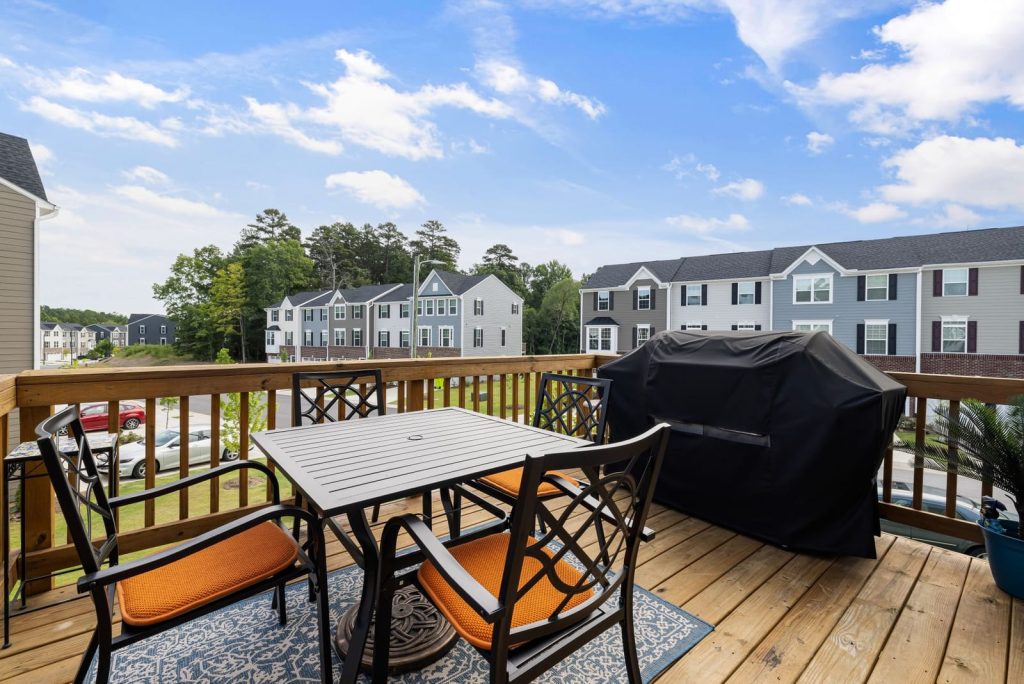
Deck Cleaning
Clean nearby wood or composite boards where moisture, foot traffic, and organic residue have created buildup around the same outdoor living area.
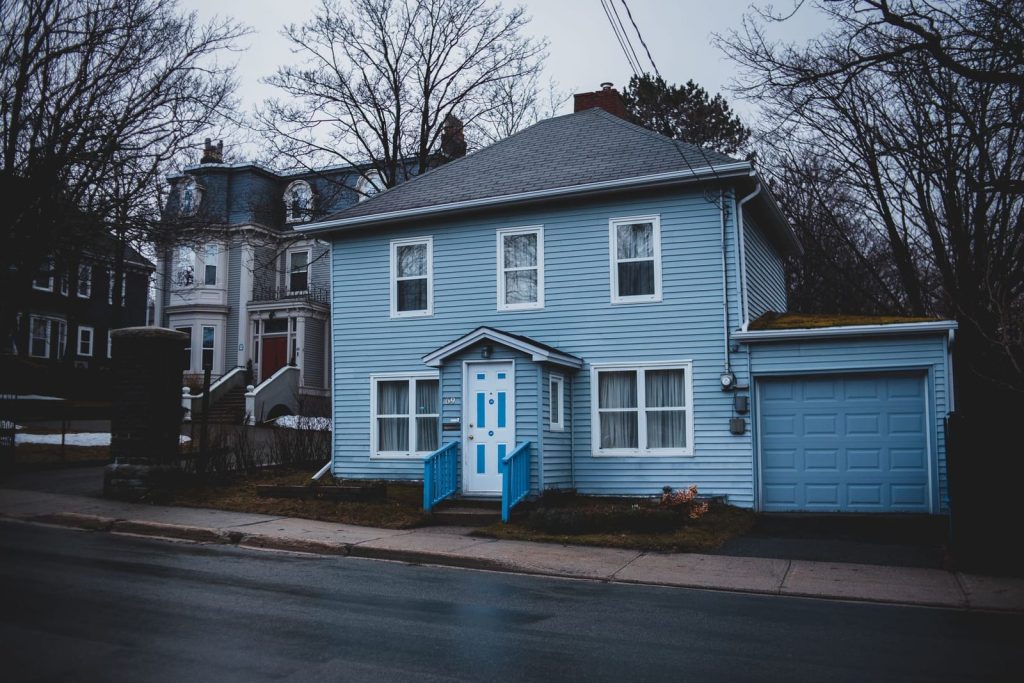
House Washing
Remove dirt and organic streaking from siding when fence lines sit close to exterior walls showing similar weather-related buildup.
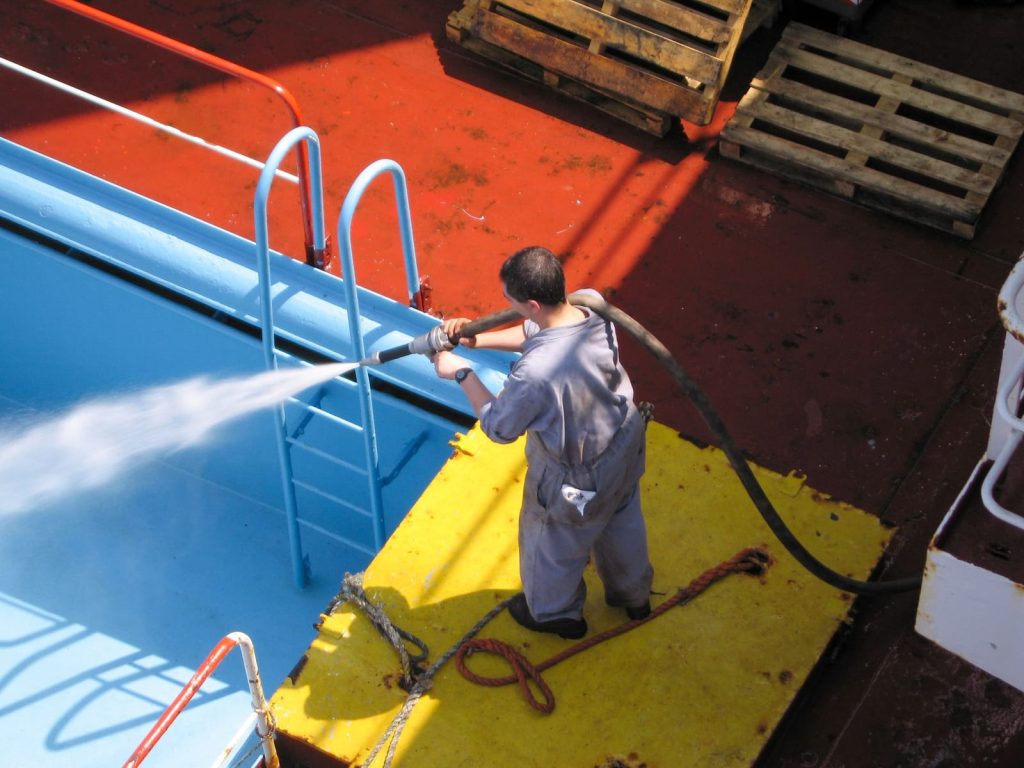
Pressure Washing
Address durable patios, walkways, and other hard surfaces where heavier grime calls for a different approach than fence panels.
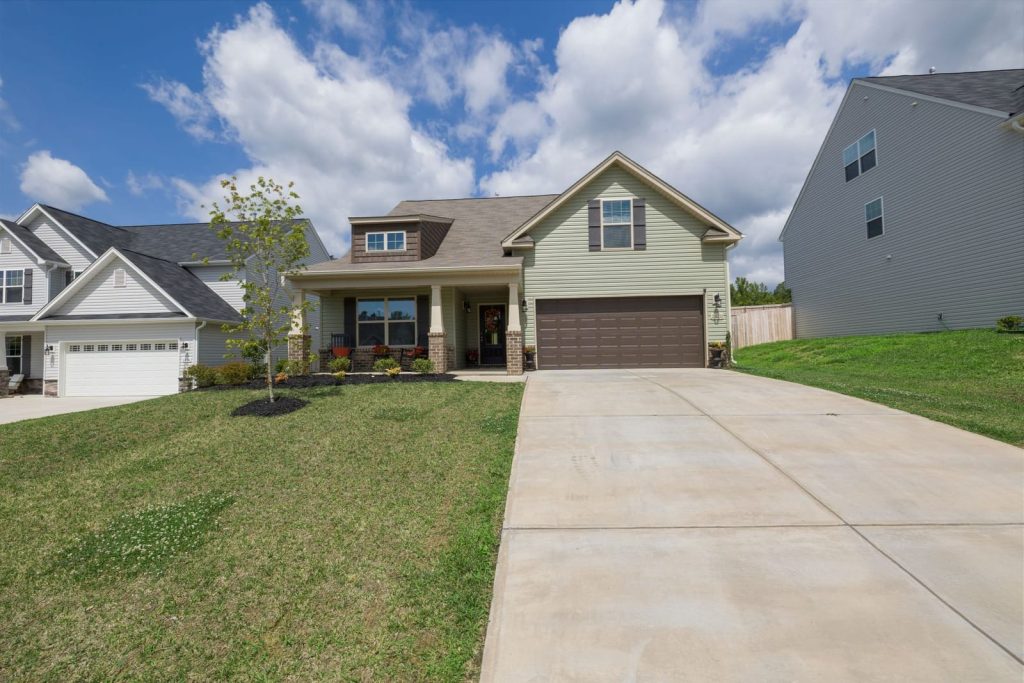
Driveway Cleaning
Refresh concrete vehicle areas when tire marks, grime, and weather staining are affecting the property’s appearance beyond the fence line.
Bring A Cleaner Look Back To The Fence Line
Dark staining and algae can make otherwise sound fencing look more weathered than it is. Sam’s Suds can assess the material, surface condition, and buildup, while nearby siding can be handled separately through complete exterior house washing when the cleaning needs extend beyond the fence.