Roof Moss Removal in Seattle, WA
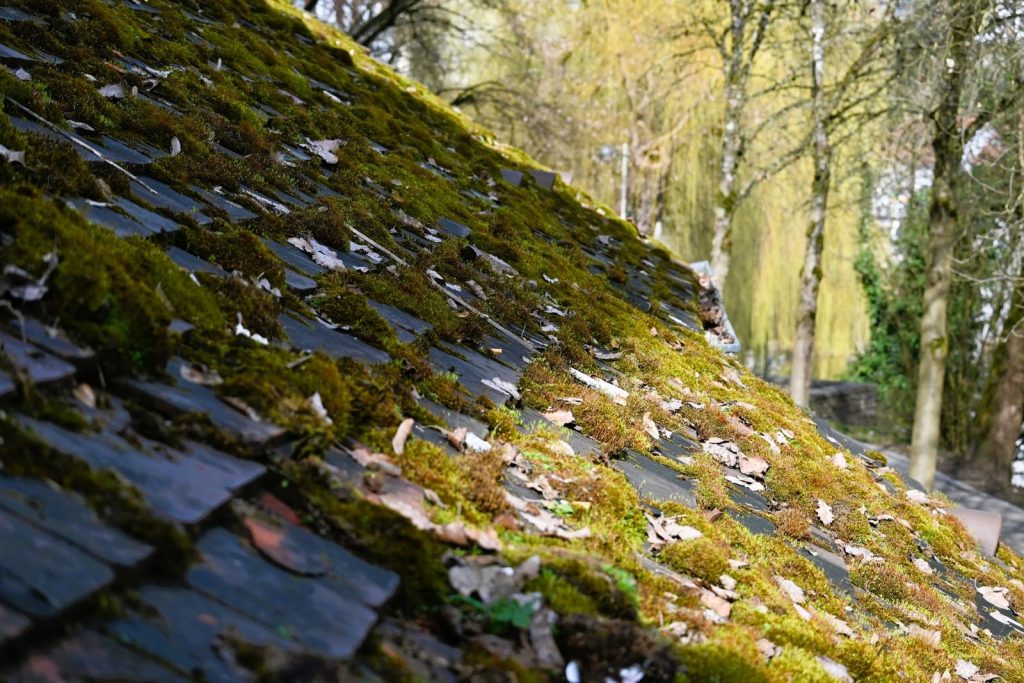
Thick moss can hold moisture against roofing surfaces and spread into seams, edges, and shaded sections over time. Sam’s Suds approaches roof moss removal with attention to the roof material, growth pattern, and existing surface condition.
Why Moss Becomes A Persistent Roof Problem
Seattle’s rainy climate keeps shaded roof sections damp for long periods, especially where trees limit sunlight or organic debris settles. Those conditions can allow small patches of moss to become thicker and more widespread if they remain undisturbed.
Moss does not develop evenly across every roof. North-facing slopes, valleys, edges beneath tree cover, and areas with slower drying often show growth first, which is why the roof surface needs to be looked at as a whole rather than treated by appearance alone.
Professional moss removal focuses on the growth itself without confusing it with ordinary dirt or staining. Homeowners dealing with broader residue, algae, or accumulated debris can also compare professional roof cleaning options when the roof needs more than moss control.
Signs Moss Has Moved Beyond Light Growth
- Thick green patches spreading across shingles
- Moss collecting along seams, edges, or valleys
- Growth returning quickly in shaded roof sections
- Organic buildup holding moisture after rainfall
How We Handle Roof Moss Removal
1. Map The Growth
The roof is checked for moss density, shaded areas, drainage paths, roofing material, and sections where growth has become concentrated.
2. Remove Loose Buildup
Loose leaves, twigs, and other roof debris are removed first, making the moss easier to identify and treat without surrounding material getting in the way.
3. Address The Moss
Removal is carried out with the roof surface in mind rather than relying on aggressive treatment that ignores shingle condition or roof construction.
4. Review Runoff Areas
Material removed from the roof can move toward valleys and edges, making gutter and downspout cleaning worth considering when debris has collected below.
Moss Behaves Differently Across Roof Surfaces
Asphalt Shingles
Moss can work into shingle edges and remain damp in shaded areas. Removal should account for granules, roof age, surface condition, and how firmly the growth has attached.
Metal Roofing
Growth on metal often follows seams, shaded transitions, and areas where moisture lingers. Cleaning decisions should consider panel coatings, runoff direction, and safe roof access.
Roof-mounted features can collect related residue at the same time, so nearby glass or fixtures may need separate attention rather than being treated as part of the moss-removal process.
Moss Removal And Roof Cleaning Solve Different Problems
Roof moss removal is centered on established biological growth, while general roof cleaning may address dirt, algae, staining, and loose debris across a wider surface. Sam’s Suds separates those needs so homeowners are not paying attention to moss alone when the roof condition points to a broader cleaning scope.
Tip: Moss often returns first in the same damp, shaded roof sections, so noting where growth develops can make future maintenance easier to plan.
Roof Moss Removal FAQs
Why does moss grow so easily on roofs in Seattle?
Frequent moisture, shade, tree cover, and slower drying create favorable conditions for moss growth. Roof sections that receive less sunlight may stay damp longer after rain, which is why growth often appears uneven rather than covering the entire roof at the same rate.
Can moss damage asphalt shingles if it is left in place?
Heavy moss can hold moisture against the roof and work into spaces around shingle edges. The degree of concern depends on the roof condition and how established the growth has become, which is why early inspection can help clarify whether removal is warranted.
How quickly can roof moss come back after removal?
Regrowth depends on shade, moisture, nearby vegetation, roof orientation, and seasonal weather. Removing existing moss does not eliminate the environmental conditions that encouraged it, so periodic roof checks can help identify new growth before it spreads extensively.
How much does roof moss removal cost?
Cost can vary with roof size, pitch, access, moss density, roofing material, and how much preparation is required. Homeowners can request an exterior cleaning estimate so the scope can be based on the actual roof rather than a generic price range.
Where can I learn more before choosing an exterior cleaning service?
Homeowners comparing methods, maintenance timing, and service scope can review answers to exterior cleaning questions before booking. If licensing is an important requirement, current credentials should also be confirmed directly rather than assumed from general service descriptions.
Get A Roof Moss Removal Estimate
Tell Sam’s Suds where the moss is developing and how widespread it appears so the roof condition can be discussed before scheduling.
- Related Roof Care
Services Worth Considering Around Moss Removal
Moss growth rarely exists in isolation. Roof debris, clogged drainage, stained glass, and buildup on nearby exterior surfaces can create separate maintenance needs around the same property.
Roof Cleaning
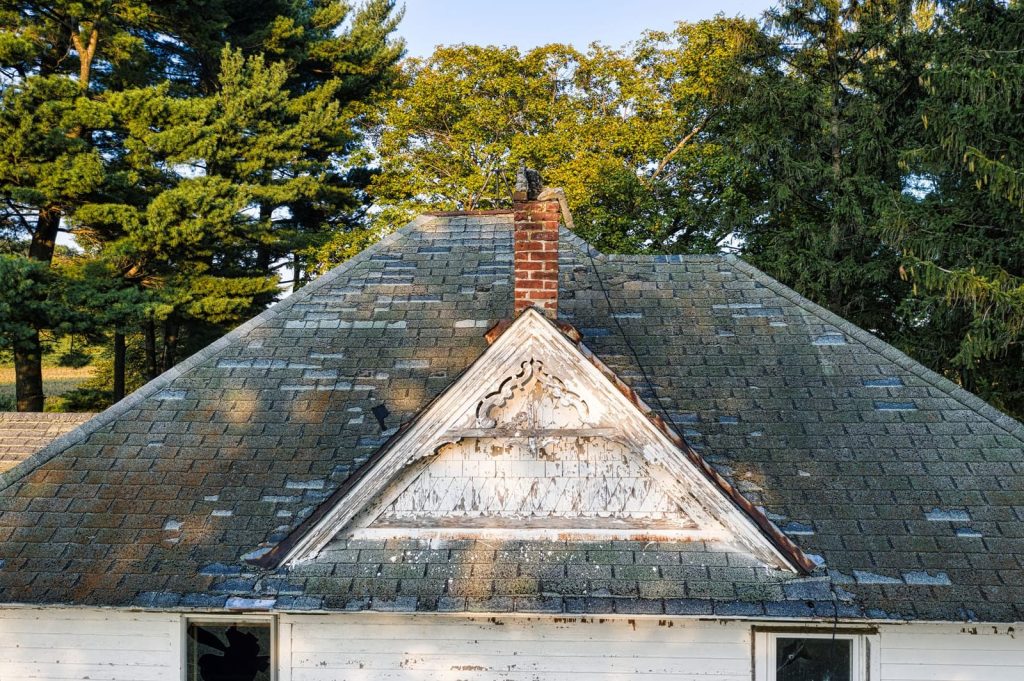
Address algae, dirt, staining, and loose roof debris when the surface needs broader cleaning beyond established moss growth.
Gutter Cleaning
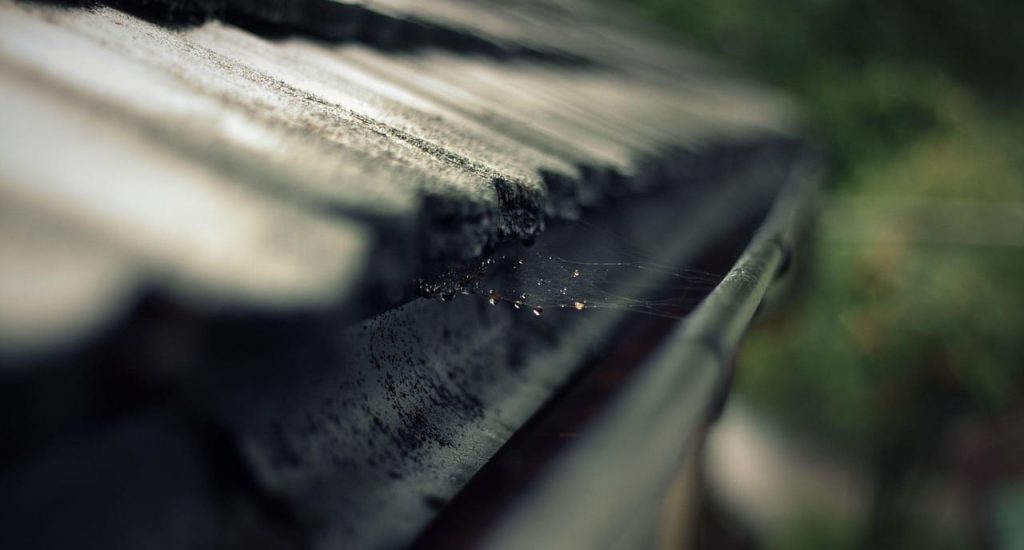
Clear leaves and roof debris from gutters and downspouts where material from nearby trees or roof maintenance has accumulated.
Skylight Cleaning
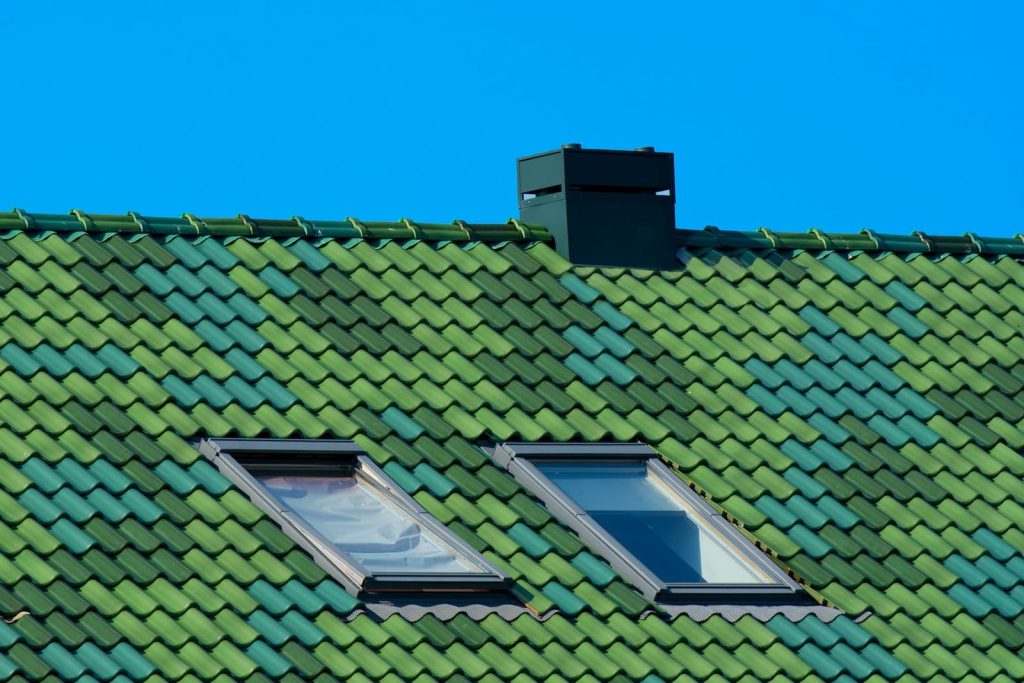
Clean roof-mounted glass separately when moss treatment or surrounding debris has left skylights cloudy, spotted, or difficult to see through.
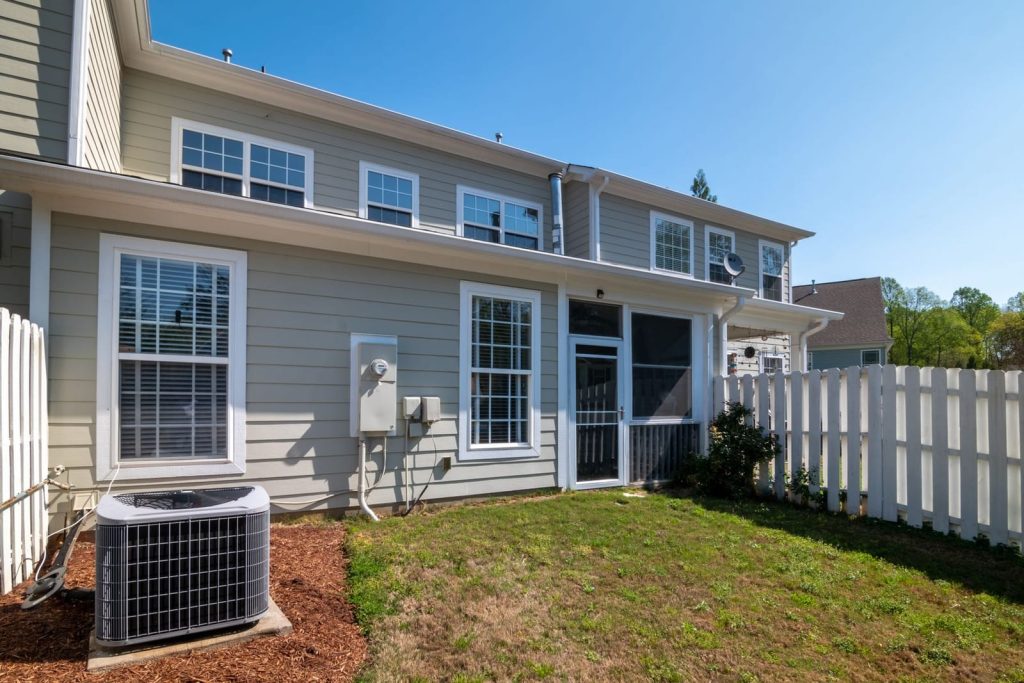
House Washing
Take care of siding and other exterior surfaces when organic buildup around the property extends beyond the roofline.
Address Moss Before It Takes Over More Of The Roof
A few isolated patches can become much harder to ignore after another wet season. Sam’s Suds can assess the growth pattern, roofing surface, and surrounding conditions, while homeowners comparing broader licensed residential exterior cleaning services can also review which exterior care options fit the rest of the property.