Pressure Washing Services in Seattle, WA
Ground-level surfaces can hold onto grime, organic residue, traffic marks, and weathered buildup long after ordinary rinsing stops making a difference. For pressure washing services in Seattle WA, Sam’s Suds uses pressure washing with the surface, condition, and cleaning goal in mind.
Where Pressure Washing Makes The Biggest Difference
Concrete, walkways, patios, and other durable outdoor surfaces often collect layers of dirt that become darker after repeated wet weather. In Seattle, moisture can also encourage green organic buildup in shaded areas where surfaces stay damp between rain events.
Pressure is only useful when it matches the material being cleaned. Equipment choice, distance, spray pattern, and water flow all affect how exterior pressure cleaning should be approached, especially when nearby landscaping, painted finishes, or joints need protection.
Not every exterior surface belongs under the same equipment. Siding, for example, may call for complete exterior house washing rather than the pressure settings used on a durable concrete walkway.
Signs Outdoor Surfaces Need Deeper Cleaning
- Concrete has developed dark traffic or weather stains
- Green buildup appears across shaded patios or walkways
- Ordinary rinsing no longer lifts embedded grime
- High-use outdoor areas look noticeably darker than surrounding surfaces
How We Plan A Pressure Washing Project
1. Identify The Surface
Concrete, masonry, pavers, and other outdoor materials are reviewed first, so the cleaning approach starts with what the surface can reasonably handle.
2. Choose The Settings
Pressure, spray pattern, equipment, and working distance are selected around the condition of the material rather than applying maximum force by default.
3. Work Through The Buildup
Grime and organic residue are cleaned methodically across the target area to avoid uneven passes, missed sections, or unnecessary concentration in one spot.
4. Watch The Runoff
Water movement matters around sloped hardscapes and adjoining areas. When the main problem is a stained vehicle surface, driveway surface cleaning can address that space as its own project.
Hard Surfaces And Wood Need Different Decisions
Concrete And Masonry
Dense hardscapes can often tolerate a more direct cleaning approach, but joints, edges, cracks, coatings, and nearby materials still affect how pressure should be applied.
Patios And Outdoor Structures
Patio materials vary widely, and nearby wood, painted trim, screens, or fixtures may need more controlled handling than the primary hard surface being washed.
Outdoor living areas made from wood or composite boards may be better handled through wood and composite deck cleaning rather than treating them exactly like concrete.
More Pressure Does Not Mean Better Cleaning
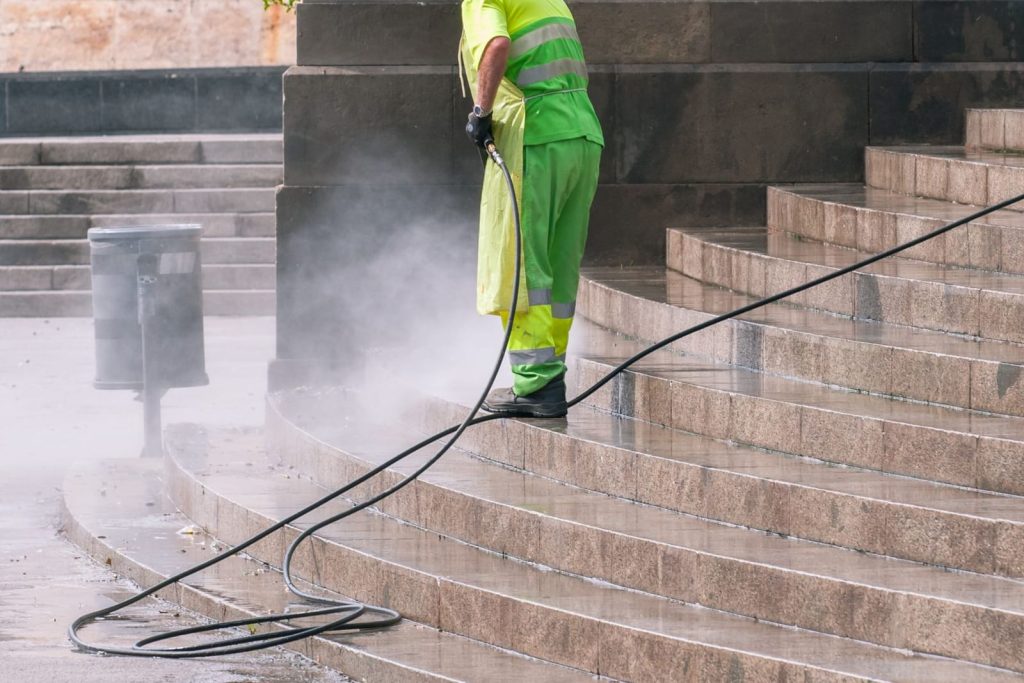
Effective pressure washing depends on control, not simply force. Sam’s Suds considers the material, buildup, equipment selection, and surrounding property before cleaning, because excessive pressure can mark softer surfaces, disturb joints, or create problems that ordinary grime never caused.
Tip: Test results can vary even across the same patio or walkway because shaded, coated, repaired, and heavily trafficked sections may respond differently.
Pressure Washing FAQs
Which surfaces are usually suitable for pressure washing?
Durable surfaces such as certain concrete, masonry, walkways, patios, and similar hardscapes are common candidates. Suitability still depends on surface condition, coatings, repairs, joints, and surrounding materials, so the cleaning approach should be chosen after the area is reviewed.
Can pressure washing remove green buildup from concrete?
It can remove many forms of surface grime and organic buildup from suitable concrete. Results depend on how deeply staining has set, whether the surface has coatings, and how long the material has remained damp or exposed to shaded conditions.
Is pressure washing appropriate for roofs?
Roofs should not automatically be cleaned with the same pressure used on concrete or masonry. Shingles, seams, coatings, and flashing require different considerations, so roof cleaning should be treated as a separate service rather than folded into general power washing.
Can wooden fences be pressure washed?
Wood needs more caution than dense hardscape because excessive force can roughen fibers or leave visible marks. Homeowners dealing with weathered fencing can consider outdoor fence washing based on the material and its current condition.
What information helps with a pressure washing quote?
Surface type, approximate size, visible buildup, access, and nearby landscaping or structures all help define the project. Photos or a clear description can also make it easier to discuss what kind of cleaning may be appropriate before scheduling.
Get A Pressure Washing Estimate
Share which outdoor surfaces need attention, how large the area is, and what kind of buildup you are seeing so Sam’s Suds can review the scope.
- Hardscape And Exterior Care
Services That Pair Well With Pressure Washing
Pressure washing often sits alongside other exterior maintenance rather than replacing it. Wood, siding, fencing, and driveways each have their own surface characteristics and cleaning priorities.
Driveway Cleaning
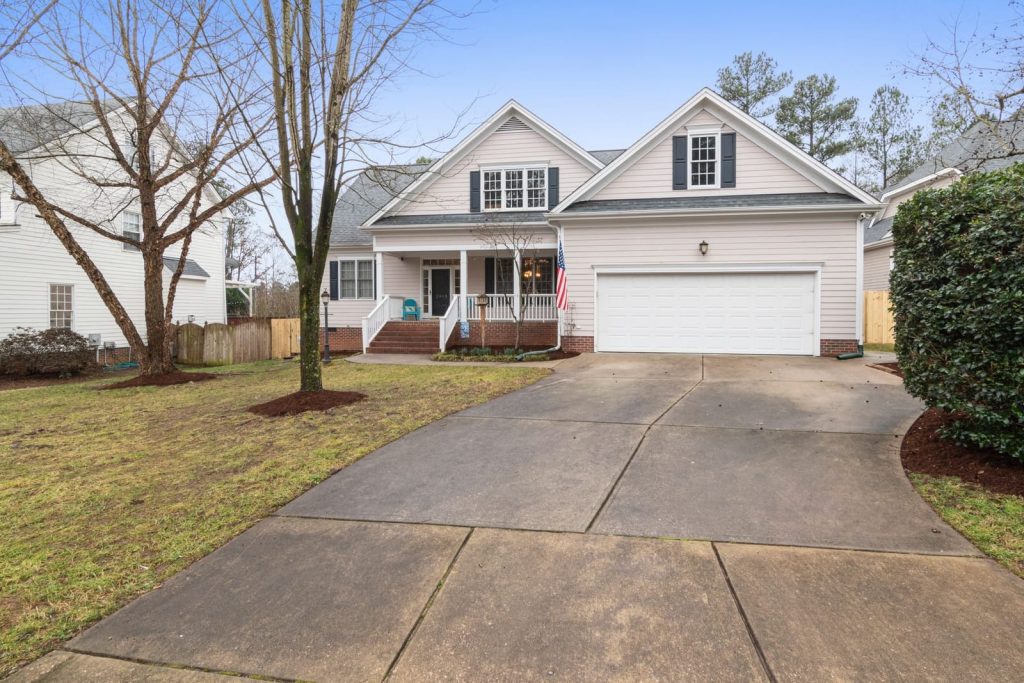
Focus cleaning on vehicle areas where tire marks, dirt, weather staining, and organic buildup can become especially visible across concrete.
Deck Cleaning
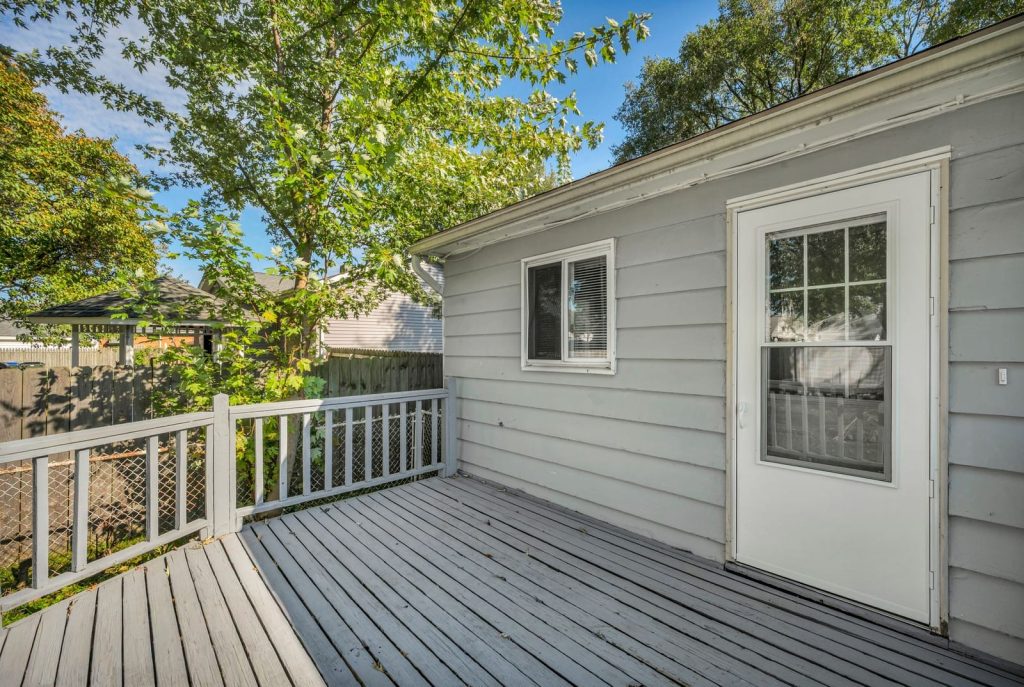
Address dirt and outdoor residue on wood or composite boards with cleaning decisions based on deck material and existing surface condition.
Fence Cleaning
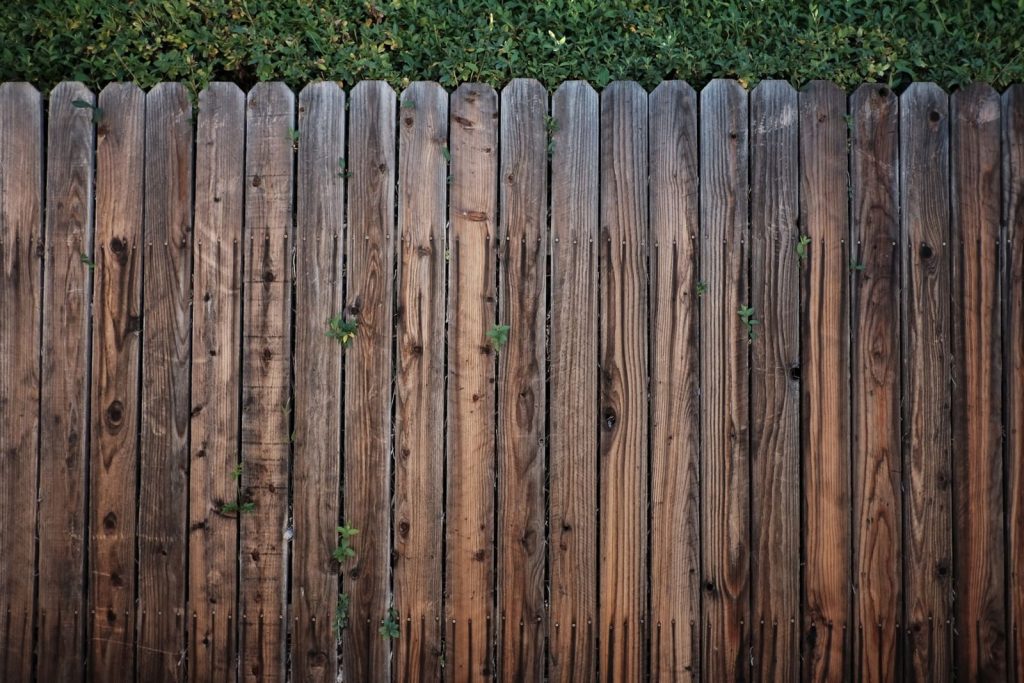
Refresh fence surfaces where algae, grime, and weather exposure have changed the appearance of wood, vinyl, or other suitable materials.
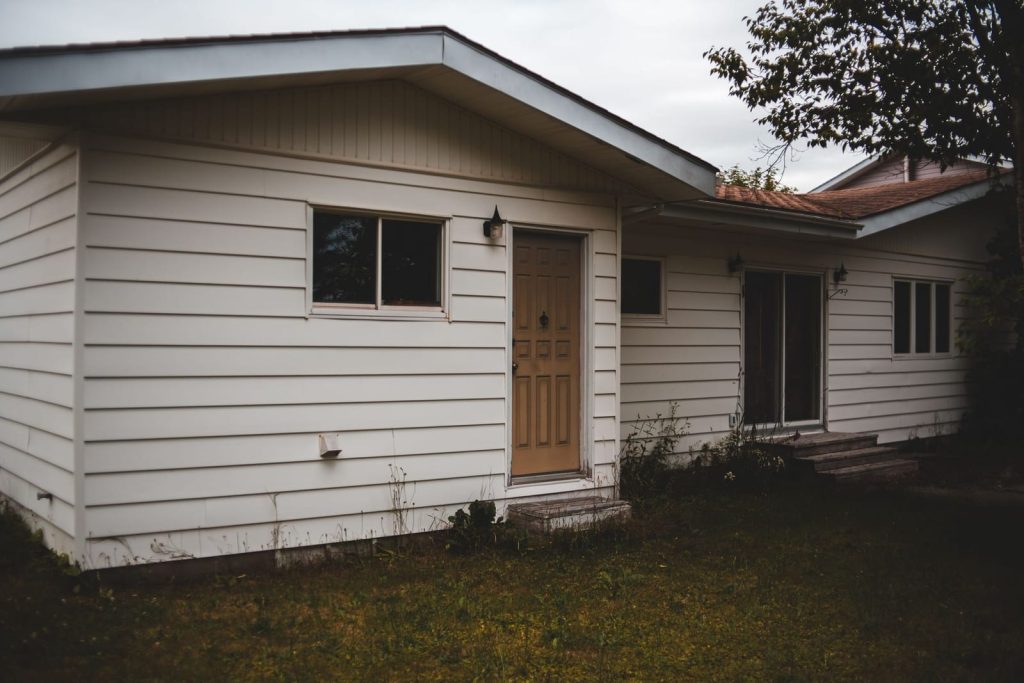
House Washing
Clean siding and exterior walls with an approach suited to residential finishes rather than applying hardscape-level pressure around the entire home.
Put The Right Amount Of Cleaning Power On The Surface
When outdoor grime has settled beyond what basic rinsing can handle, Sam’s Suds can evaluate the material, buildup, and surrounding areas before choosing the next step. Homeowners can request an exterior cleaning estimate to discuss the pressure washing scope for their property.