Driveway Cleaning in Seattle, WA
A driveway takes daily traffic while sitting open to rain, tire residue, dirt, moss, and runoff from the rest of the property. Concrete condition and buildup guide the cleaning plan, with Sam’s Suds focusing on what the surface can safely handle.
Why Seattle Driveways Darken Over Time
Concrete is porous, so moisture and fine debris can settle into its texture rather than remaining only on top. Shaded sections may stay damp longer after rain, allowing green organic growth and darker discoloration to become increasingly noticeable.
Vehicle traffic adds another layer. Tire marks, tracked-in soil, leaf residue, and runoff can create uneven patches across parking areas, edges, and sections closest to the street or garage.
A driveway may also be only one visible part of a larger exterior maintenance project. Homeowners planning to get residential exterior cleaning services can compare which surrounding surfaces need separate attention rather than applying driveway methods throughout the property.
Signs Your Driveway Needs A Deeper Clean
- Green moss or algae appears along damp sections
- Tire paths look darker than surrounding concrete
- Dirt remains visible after ordinary rinsing
- Shaded pavement feels slick after wet weather
How We Work Across The Driveway Surface
1. Read The Concrete
Cracks, joints, coatings, repaired areas, drainage direction, and visible staining are reviewed before deciding how the surface should be washed.
2. Target The Heaviest Buildup
Traffic lanes, shaded edges, mossy pavement, and areas around parked vehicles are identified so cleaning attention follows the condition of the driveway.
3. Clean In Consistent Passes
Equipment and pressure are adjusted to the concrete while working methodically across the surface to reduce obvious striping or uneven cleaning.
4. Track Water Movement
Slope and runoff matter during washing. Where nearby patios or walkways need similar hard-surface care, outdoor pressure washing solutions may be considered separately.
Driveway Condition Changes The Cleaning Approach
Standard Concrete
Uncoated concrete can hold dirt within its textured surface, while joints, cracks, and porous areas may show buildup differently from smoother sections.
Coated Or Repaired Areas
Sealers, patches, resurfaced sections, or older repairs may respond differently from surrounding concrete, so these areas should be recognized before washing begins.
If the driveway connects directly to an outdoor living area, wood and composite deck cleaning can address nearby boards without extending concrete-cleaning methods onto softer materials.
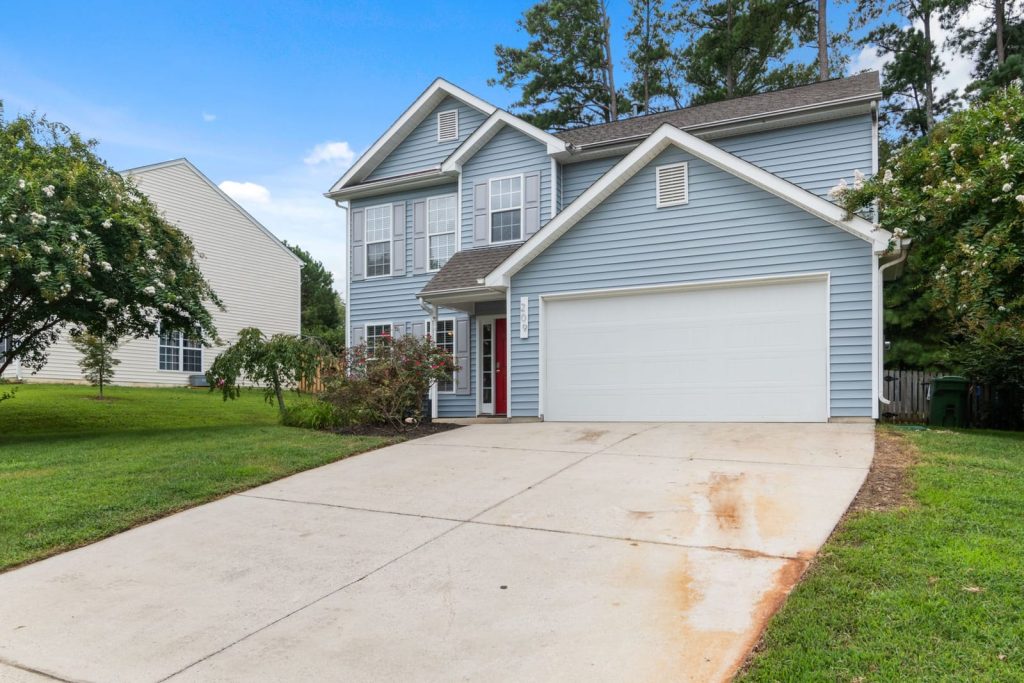
Cleaning Can Improve The Surface Without Erasing Every Stain
Professional driveway cleaning can remove dirt, organic buildup, and many surface-level marks, but deeply absorbed oil, rust, discoloration, or material changes may not disappear completely. Sam’s Suds focuses on realistic surface improvement rather than treating every stain as though pressure alone can remove it.
Tip: Driveway edges beside lawns, shrubs, or shaded fencing often develop green buildup sooner because those sections can stay damp longer than open pavement.
Driveway Cleaning FAQs
Can driveway cleaning remove moss and algae?
Cleaning can remove many forms of moss, algae, and organic buildup from suitable concrete surfaces. The result depends on how established the growth has become, surface porosity, cracks, moisture exposure, and whether staining remains after the material itself is removed.
Will pressure washing remove oil stains completely?
Not always. Fresh surface residue may respond differently from oil that has penetrated deeply into porous concrete. Driveway cleaning can improve the overall appearance, but some absorbed stains may remain visible even after the surrounding dirt and grime are removed.
Can an older or cracked driveway still be cleaned?
Often, yes, but existing cracks, repairs, loose sections, coatings, and surface wear need to be considered first. Older concrete should not automatically receive the same treatment as an intact newer driveway with a more consistent surface.
Is a slippery driveway always caused by dirt?
No. Algae, moss, organic film, moisture, surface texture, and existing concrete wear can all affect traction. Cleaning may remove buildup contributing to slickness, but it cannot correct structural or material conditions that also influence the surface.
How can I get a driveway cleaning quote?
Approximate size, concrete condition, access, staining, slope, and surrounding surfaces all help define the project. Homeowners can request an exterior cleaning estimate with those details before arranging a service date.
Get A Driveway Cleaning Estimate
Share the driveway size, surface condition, and areas with the heaviest buildup so Sam’s Suds can get a clearer picture of the work involved.
- Ground-Level Exterior Care
Services That Fit Around Driveway Cleaning
A freshly cleaned driveway can make buildup on adjoining siding, decks, fences, and walkways easier to notice. These services address those materials according to their own cleaning needs.

Pressure Washing
Clean suitable patios, sidewalks, and other durable hardscapes where grime extends beyond the driveway into surrounding ground-level surfaces.
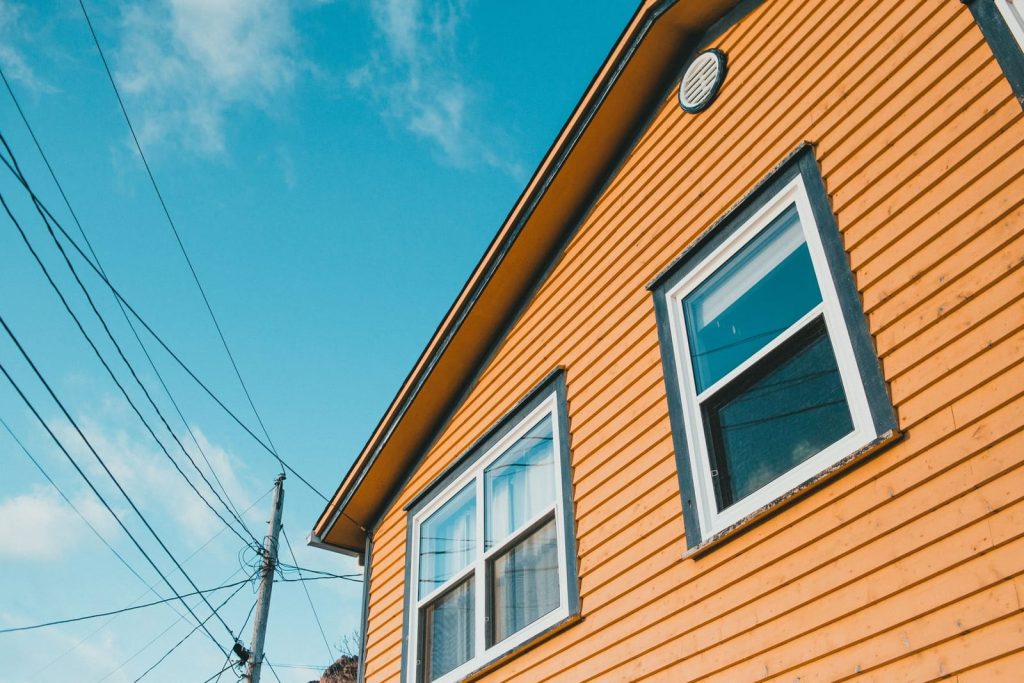
House Washing
Address siding and exterior walls when splashback, dirt, and organic residue are visible beside the driveway or garage area.

Deck Cleaning
Wood and composite boards near the driveway can collect their own moisture-related grime and organic residue, making separate deck cleaning worth considering.
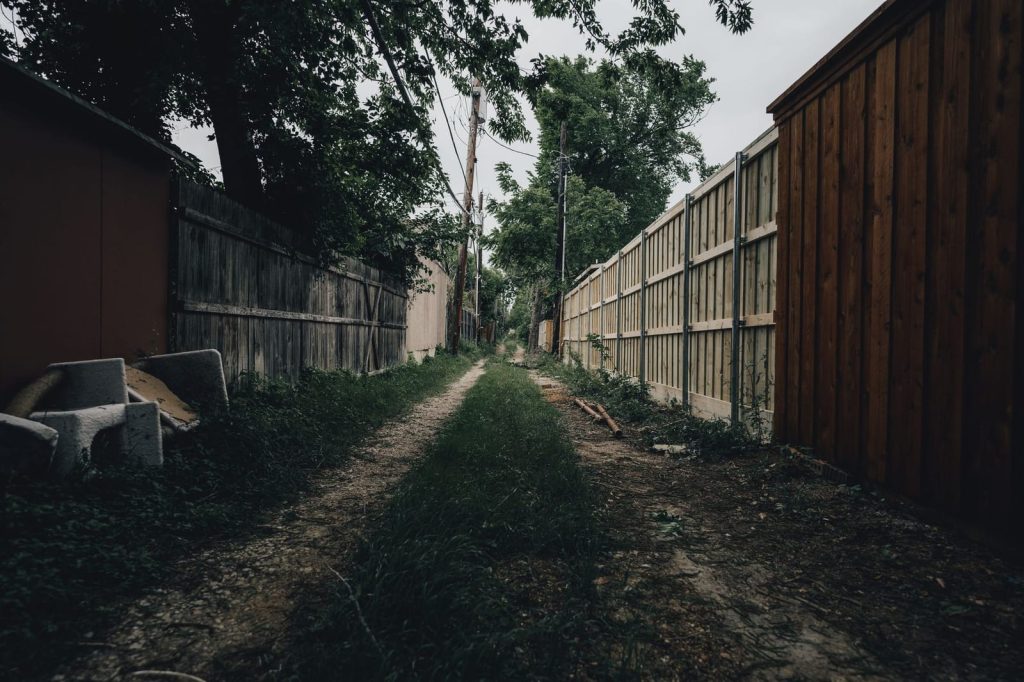
Fence Cleaning
Road dust, algae, soil splash, and weather exposure can gradually darken fence panels along the property line, making them look more worn over time.
Give The Approach To Your Home A Cleaner Finish
A driveway covers a large visual area, so dark traffic paths and mossy pavement can stand out quickly. Sam’s Suds can review the concrete, runoff, and staining, while nearby walls can be handled separately through complete exterior house washing when buildup extends beyond the pavement.