House Washing in Seattle, WA
Siding, trim, soffits, and other exterior surfaces collect pollen, dirt, organic film, and weather residue differently across a home. Residential house washing from Sam’s Suds is planned around the siding material, level of buildup, and areas that need more controlled cleaning.
Why Exterior Walls Lose Their Clean Look
Sheltered siding can stay damp long after exposed walls have dried, especially around shaded elevations, roof overhangs, and areas near landscaping. Over time, those conditions can leave green film, streaks, dirt, and other visible residue across the exterior.
Seattle weather also brings repeated cycles of rain, pollen, airborne debris, and seasonal moisture. Lower walls may show splashback from soil or hardscape, while soffits and fascia can collect their own film higher up around the roofline.
A house wash should account for all of those differences rather than treating siding like concrete. Homeowners with heavier buildup on patios or walkways can consider outdoor pressure washing solutions separately where a more durable surface allows a different approach.
Signs The Exterior Is Ready For Washing
- Green or dark film appears across shaded siding
- Dirt streaks collect below trim, windows, or roof edges
- Lower wall sections show soil or splashback marks
- Soffits, fascia, or siding look dull compared with cleaner areas
How We Plan Exterior House Washing
1. Read The Exterior
Siding type, painted finishes, trim, soffits, fascia, landscaping, and visible staining are reviewed before the cleaning method is selected.
2. Protect Nearby Areas
Plants, outdoor fixtures, entry points, and other sensitive areas are considered so cleaning can stay focused on the exterior surfaces that actually need attention.
3. Use Controlled Application
Low-pressure house washing is matched to the siding condition and buildup instead of relying on hardscape-level force across walls and trim.
4. Review The Glass
Exterior washing can make dirty panes more noticeable, so interior and exterior window cleaning may be worth adding when glass carries its own spots, haze, or residue.
Siding Materials Change The Washing Approach
Vinyl And Similar Siding
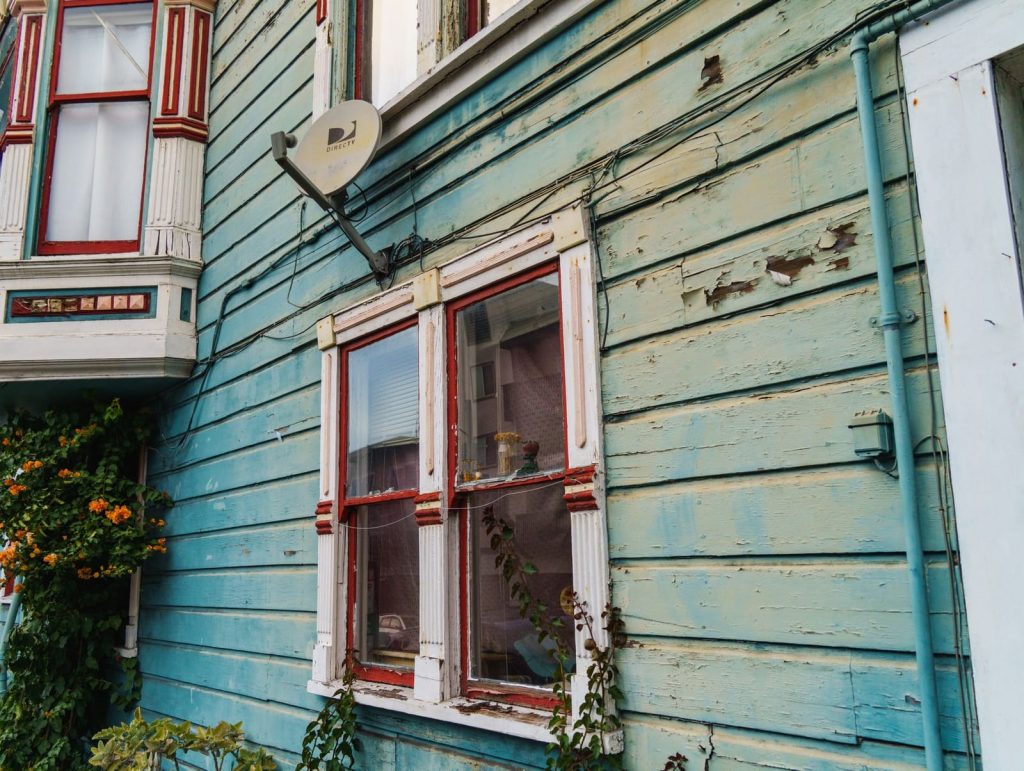
Smooth siding can collect pollen, organic film, spider debris, and splash marks around seams or shaded walls, with cleaning adjusted around joints and exterior fixtures.
Painted And Coated Surfaces
Painted exteriors require attention to coating condition, peeling areas, trim details, and existing wear before deciding how much cleaning force is appropriate.
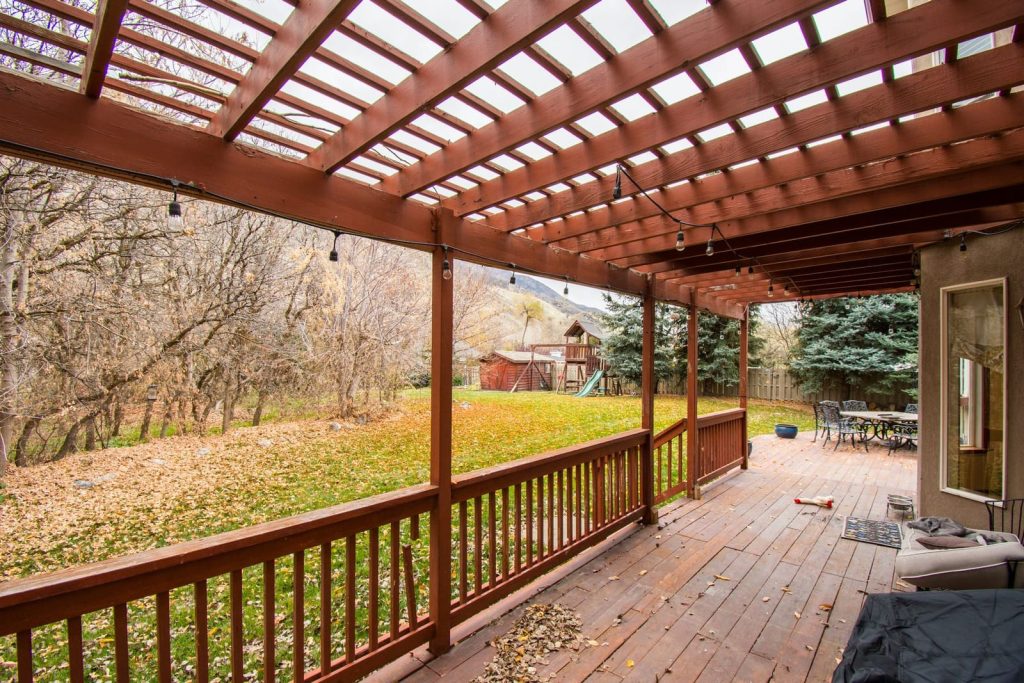
Homes with decks attached to the exterior may have buildup extending onto horizontal boards as well. Wood and composite deck cleaning handles those walking surfaces separately from siding.
House Washing And Pressure Washing Are Not Interchangeable
Exterior walls often need more restraint than driveways, concrete, or other dense hardscapes because siding joints, coatings, trim, and surrounding fixtures can respond differently to force. Sam’s Suds considers material and condition first, then chooses a washing approach suited to the home instead of assuming maximum pressure produces the best result.
Tip: North-facing and heavily shaded walls often show organic film sooner because they may stay damp longer after Seattle rain.
House Washing FAQs
What parts of the exterior can be included in house washing?
The scope may include suitable siding, exterior walls, trim, soffits, fascia, and other washable surfaces around the home. The exact areas depend on material, condition, access, and what buildup is present, so the project should be defined before cleaning begins.
Is low-pressure washing better for residential siding?
Lower-pressure methods can be more appropriate for many siding materials than the force used on concrete or masonry. The right approach still depends on the surface, coating condition, joints, and type of residue rather than following one setting for every exterior.
Can house washing remove algae and green film?
Cleaning can address many forms of surface-level organic buildup found on suitable siding and exterior walls. Results depend on how established the staining is, what material is underneath, and whether the discoloration is actually surface residue rather than permanent material change.
Should windows be cleaned after the house exterior?
That depends on their condition and the project scope. House washing focuses on siding and exterior wall surfaces, while window cleaning targets clarity, spotting, and glass finishing. Homeowners may choose both when residue is visible across several exterior surfaces.
How do I get pricing for residential house washing?
Home size, siding material, number of stories, access, buildup, and the areas included can all affect the scope. Homeowners can request an exterior cleaning estimate with those details before choosing a service date.
Get A House Washing Estimate
Tell Sam’s Suds about the siding material, number of stories, and areas showing the most buildup so the cleaning scope can be discussed clearly.
- Whole-Home Exterior Care
Services That Fit Around House Washing
Cleaning the walls can make buildup on adjoining glass, decks, fences, and hardscape easier to notice. These services address those surrounding surfaces with methods better suited to their materials.

Window Cleaning
Clear exterior and interior glass when spotting, pollen, or haze remains visible after the surrounding siding has been cleaned.
Deck Cleaning
Refresh wood or composite boards where grime, organic film, and damp-weather buildup extend beyond the exterior walls.
Fence Cleaning
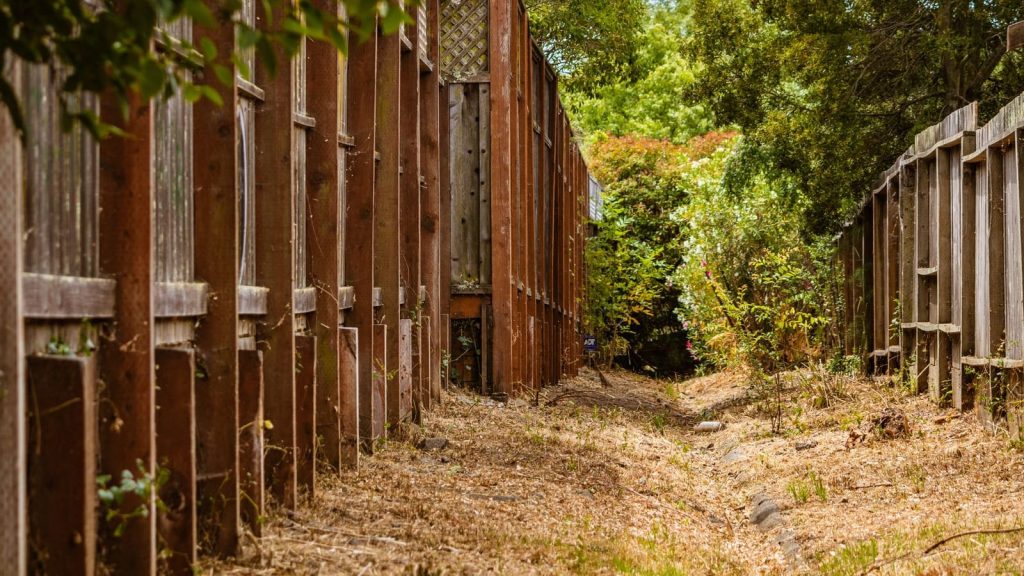
Clean nearby fence panels when algae, splash marks, and weather residue are affecting the perimeter as well as the home.

Pressure Washing
Address concrete, patios, and other suitable hard surfaces where heavier grime calls for more direct cleaning than residential siding.
Give The Exterior A More Even, Maintained Look
When shaded siding, stained trim, and dull exterior walls begin making the home look uneven, Sam’s Suds can assess the material and buildup, while homeowners with broader needs can compare other exterior cleaning services for the surrounding property.