Solar Panel Cleaning Service in Seattle, WA
Rooftop panels spend every season exposed to pollen, dust, airborne residue, and organic debris. A solar panel cleaning service Seattle, WA homeowners can use should remove that buildup while protecting photovoltaic glass, with Sam’s Suds adjusting the work around panel placement, roof access, and existing conditions.
Outdoor Exposure Leaves More Than Rain Behind
Seattle’s changing weather can rinse loose dust from panels, but rainfall does not necessarily remove pollen films, dried residue, or debris that settles along panel edges. Roof pitch, nearby trees, and surrounding vegetation can also influence how quickly buildup becomes visible.
Photovoltaic glass needs more deliberate handling than concrete, siding, or other exterior surfaces. A solar panel washing service should account for the panel face, mounting position, access, and any manufacturer cleaning guidance relevant to the system.
Nearby roof surfaces may need attention for completely different reasons. Where dirt, algae, or roof debris surrounds the array, homeowners can separately consider professional roof cleaning options rather than treating the panels as part of general roof washing.
Signs Your Solar Panels May Need Cleaning
- Pollen or dust forms a visible film across the glass
- Leaves or organic debris collect around panel edges
- Dried water marks remain after wet weather
- Sections of the array appear noticeably dirtier than others
How We Approach Rooftop Panel Cleaning
1. Review The Array
Panel placement, roof pitch, access points, visible residue, and surrounding roof conditions are considered before work begins around the solar installation.
2. Identify The Buildup
Pollen, dust, organic debris, and dried surface residue are evaluated so the cleaning method addresses what is actually sitting on the photovoltaic glass.
3. Clean The Panel Surface
The panel face is cleaned with attention to surface protection rather than using aggressive pressure or treating the array like ordinary outdoor hardscape.
4. Check Nearby Glass
Roof-level cleaning can reveal buildup on other elevated surfaces, making residential skylight glass cleaning a practical separate service when nearby skylights also appear spotted or cloudy.
Panel Position Changes The Cleaning Challenge
Sloped Roof Arrays
Panels mounted on pitched roofs can collect residue differently depending on angle, nearby tree cover, runoff paths, and how easily rainwater moves across the glass.
Larger Panel Groups
Multi-panel arrays create more edges, mounting points, and surface area where pollen or windblown debris can settle, making consistent cleaning across the installation important.
Homeowners already addressing glass around the property may also consider interior and exterior window cleaning, although standard windows and photovoltaic panels require different cleaning decisions.
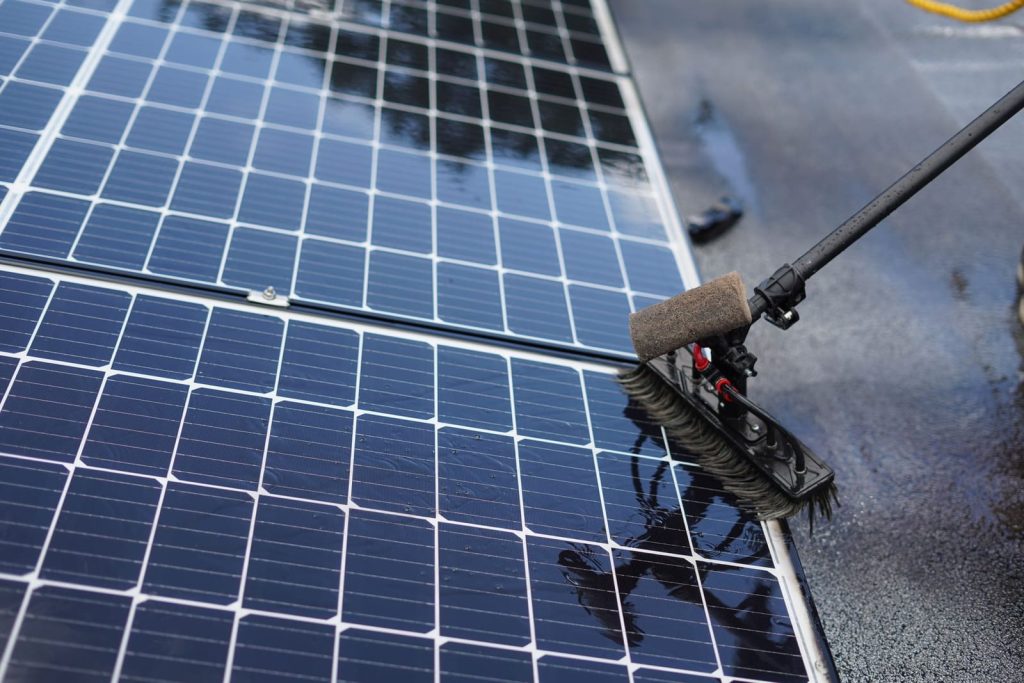
Solar Panels Should Not Be Treated Like Ordinary Exterior Glass
Although both are smooth surfaces, solar panels have their own coatings, mounting systems, roof-access considerations, and manufacturer requirements. Sam’s Suds treats solar array cleaning as a specialized exterior task rather than simply extending a window-washing method across the roof.
Tip: Pollen can leave a surprisingly even film across panels, making buildup less obvious from the ground than leaves or larger debris.
Solar Panel Cleaning FAQs
Does rain clean residential solar panels naturally?
Rain may rinse away some loose dust, but pollen, dried residue, bird debris, and material caught along panel edges can remain. The amount left behind varies with roof angle, surrounding trees, local exposure, and how long deposits have been sitting on the surface.
Can pressure washing be used on solar panels?
Solar panels should not automatically receive the pressure used on concrete or other hard exterior surfaces. Panel glass, seals, mounting components, coatings, and manufacturer guidance all need consideration before deciding how the surface should be cleaned.
How often should rooftop solar panels be cleaned?
Cleaning frequency depends on pollen, tree cover, airborne dust, roof position, seasonal debris, and how quickly visible residue develops. Rather than following one fixed schedule, homeowners can watch for surface buildup and consider the conditions surrounding their particular array.
Can solar panels and skylights be cleaned during the same visit?
They can be discussed together when both surfaces need attention, but the cleaning approach should remain specific to each material. Panel glass, skylight glass, surrounding seals, and roof access can all create different requirements even when the surfaces sit close together.
How can I get pricing for solar panel cleaning?
Array size, roof access, panel placement, visible buildup, and surrounding conditions can all affect the project scope. Homeowners can request an exterior cleaning estimate with those details so the work can be discussed before scheduling.
Get A Solar Panel Cleaning Estimate
Share the panel location, approximate array size, roof access, and visible buildup so the cleaning scope can be discussed with Sam’s Suds before scheduling.
- Roofline Surface Care
Services That Fit Around Solar Panel Cleaning
Solar panels share roof space with glass, roofing materials, drainage areas, and other exposed surfaces. These related services handle nearby maintenance needs without treating everything like photovoltaic glass.
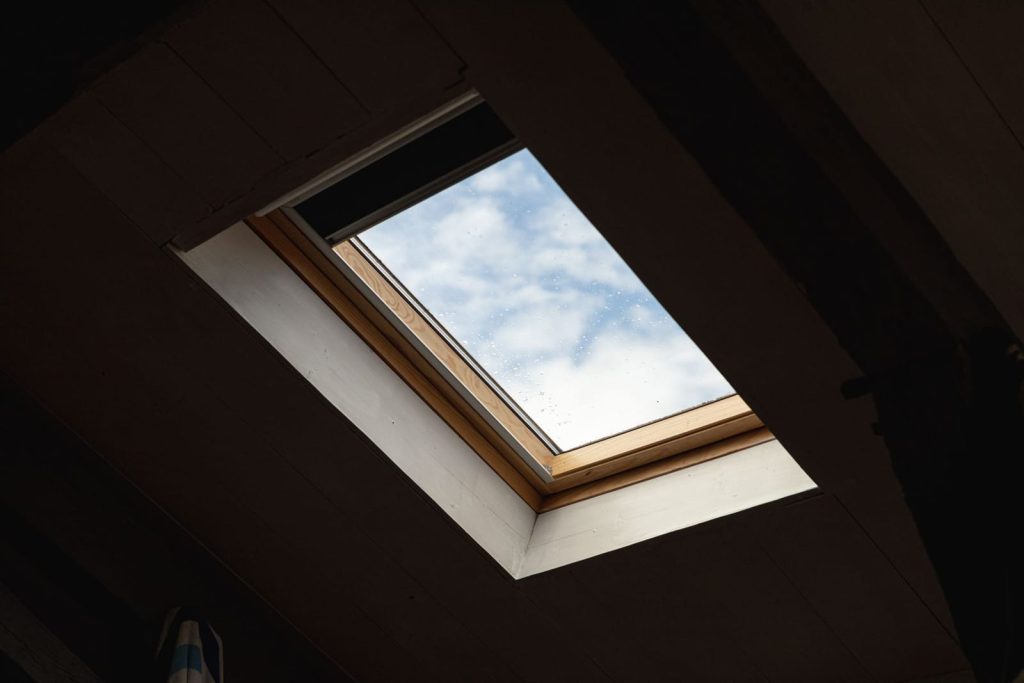
Skylight Cleaning
Clear roof-mounted glass where pollen, dried rain marks, and organic residue can create the same visible haze found on other elevated surfaces.
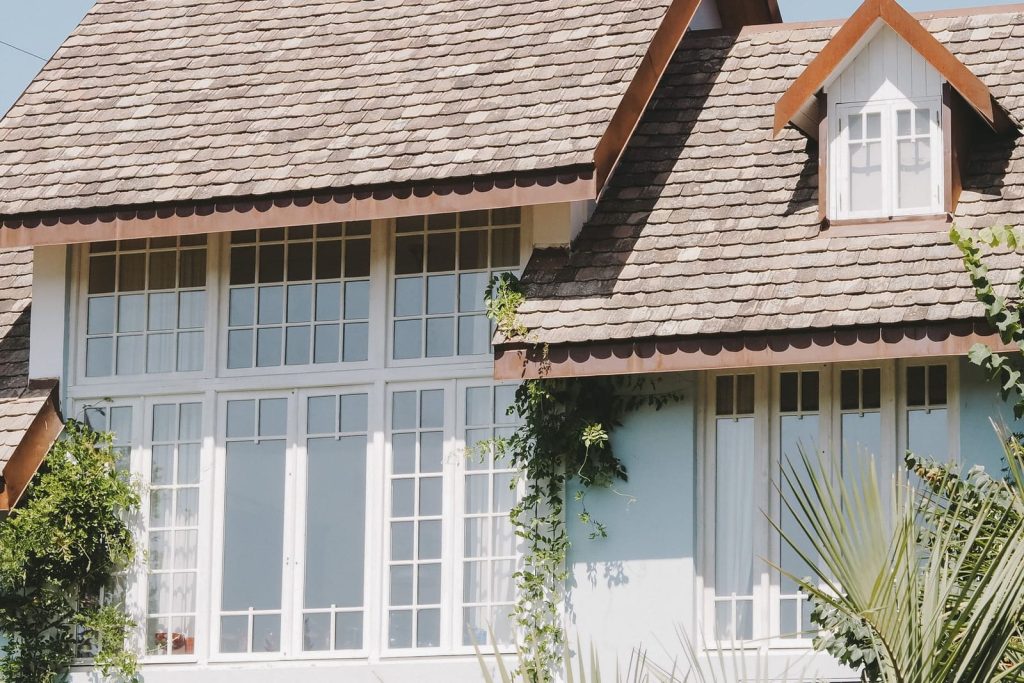
Roof Cleaning
Address dirt, algae, loose debris, and staining across roofing surfaces surrounding the solar array without treating panels as part of the roof material.
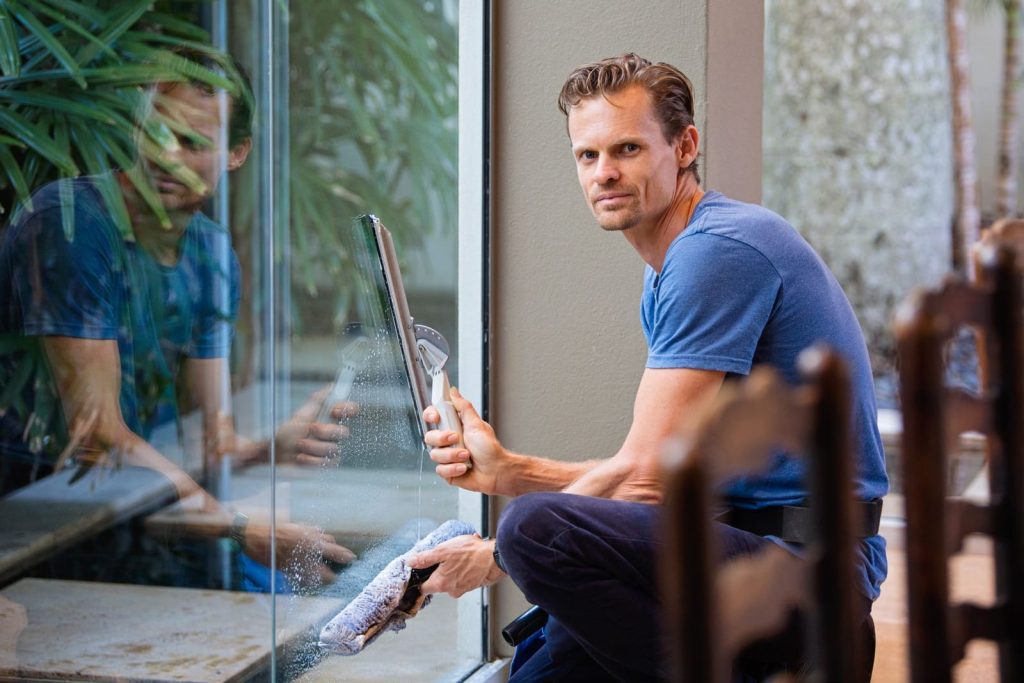
Window Cleaning
Improve clarity on vertical household glass when pollen, water spots, and outdoor residue are affecting windows as well as rooftop surfaces.
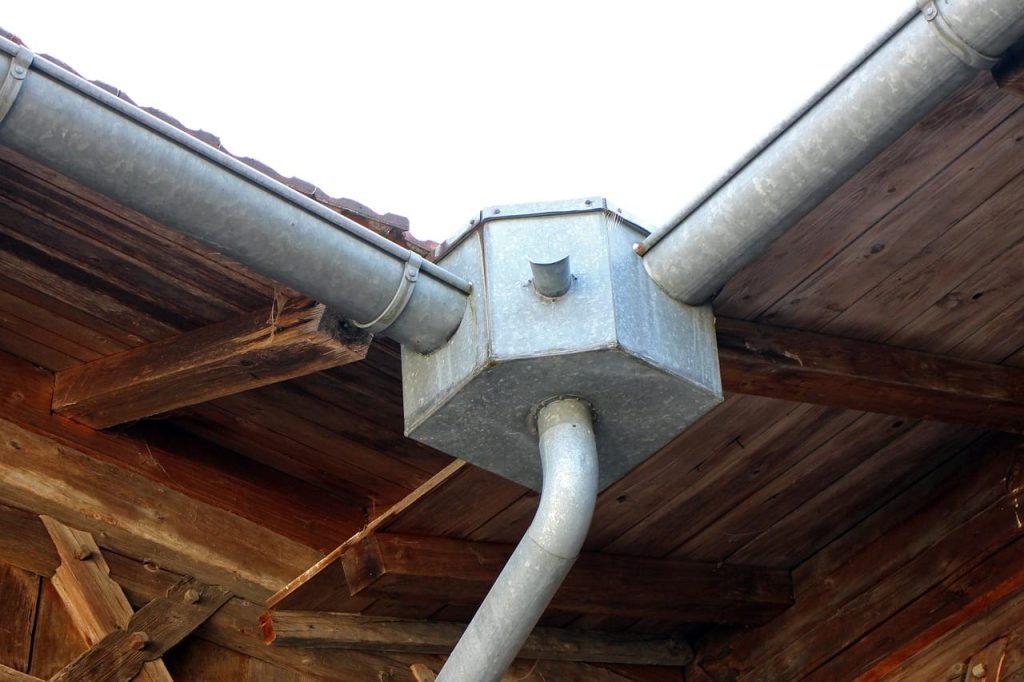
Gutter Cleaning
Remove leaves, roof debris, and accumulated material from drainage channels where runoff from roof-mounted equipment eventually moves toward the gutter system.
Keep Rooftop Glass From Disappearing Under Buildup
Pollen, residue, and seasonal debris can gradually dull panel surfaces even when the array still looks reasonably clean from the ground. Sam’s Suds can review access, panel condition, and surrounding roof areas, while homeowners comparing other needs can explore residential exterior cleaning services for the rest of the property.