Roof care · 6 min read · By the Sam’s Suds crew
Pressure washing vs. soft washing: what’s safe for your roof?
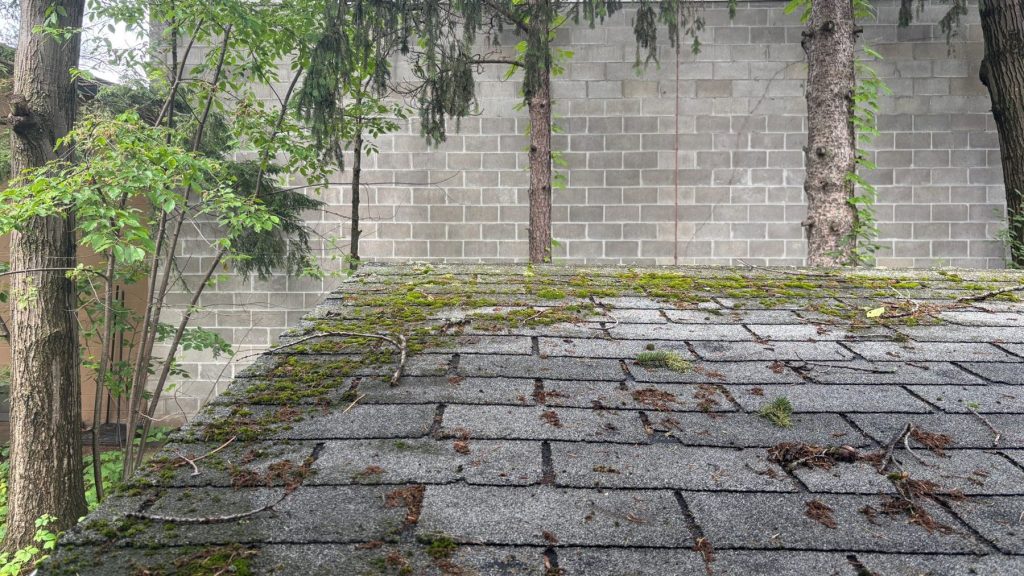
When homeowners see moss on the roof, the first instinct is often to rent a pressure washer. It does remove moss quickly, but it can also do lasting damage.
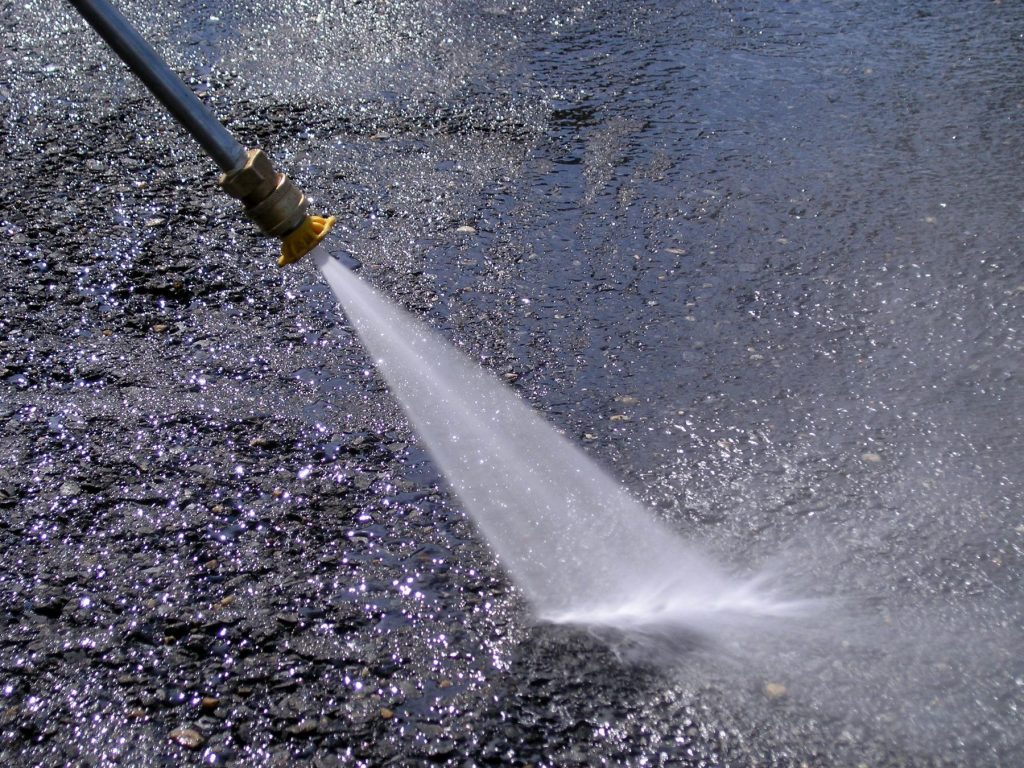
What high pressure does to shingles
Asphalt shingles are covered in small mineral granules that protect the asphalt from sunlight and help shed water. A high-pressure stream knocks those granules loose. You’ll often see them collect in gutters after an aggressive wash. Fewer granules means faster aging, and many shingle manufacturers warn that pressure washing can void the warranty.
Pressure can also drive water up and under shingle laps, where it can reach the underlayment and roof deck.
How soft washing works
Soft washing uses low pressure, about the force of a garden hose, combined with a cleaning solution that breaks down moss, algae and lichen. Heavier moss is removed by hand first. The solution does the cleaning instead of the water pressure, so the surface isn’t stressed.
Because soft washing kills spores rather than just knocking off the visible growth, results last longer.
When pressure is the right tool
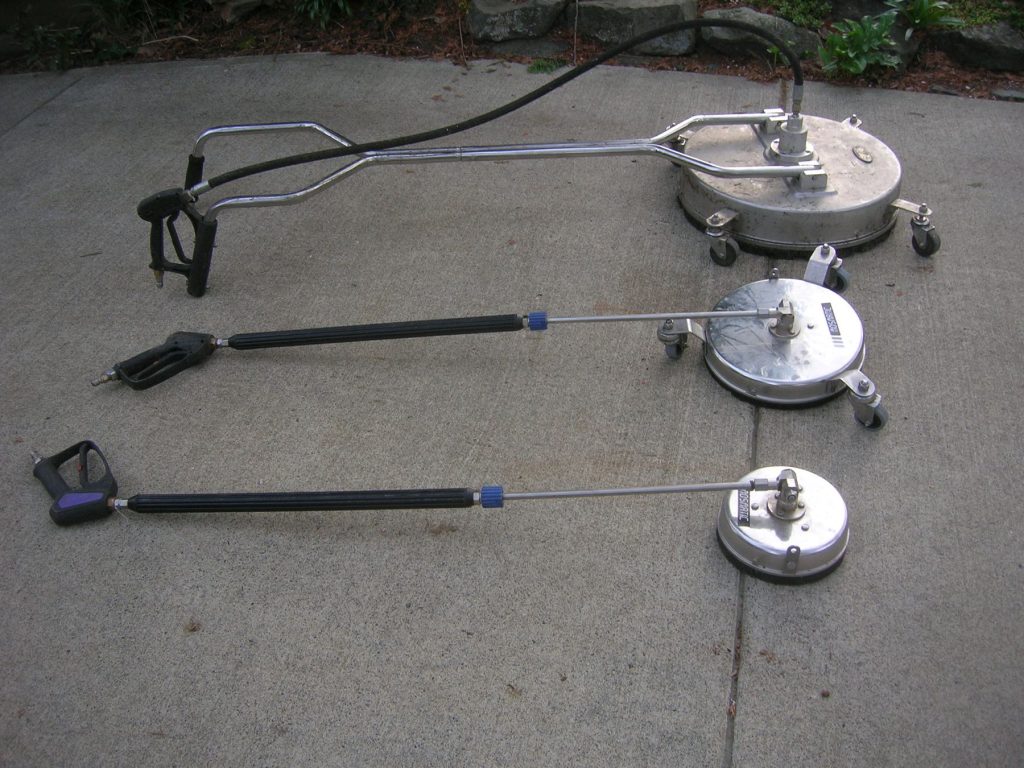
Pressure washing is still the right choice for concrete driveways, walkways and many patios, which can handle the force. Wood decks and fences need a moderate pressure and the right tip. The key is matching the method to the surface, which is exactly what we do on every job.
Gutters · 4 min read · By the Sam’s Suds crew
Why fall is the most important time to clean your gutters
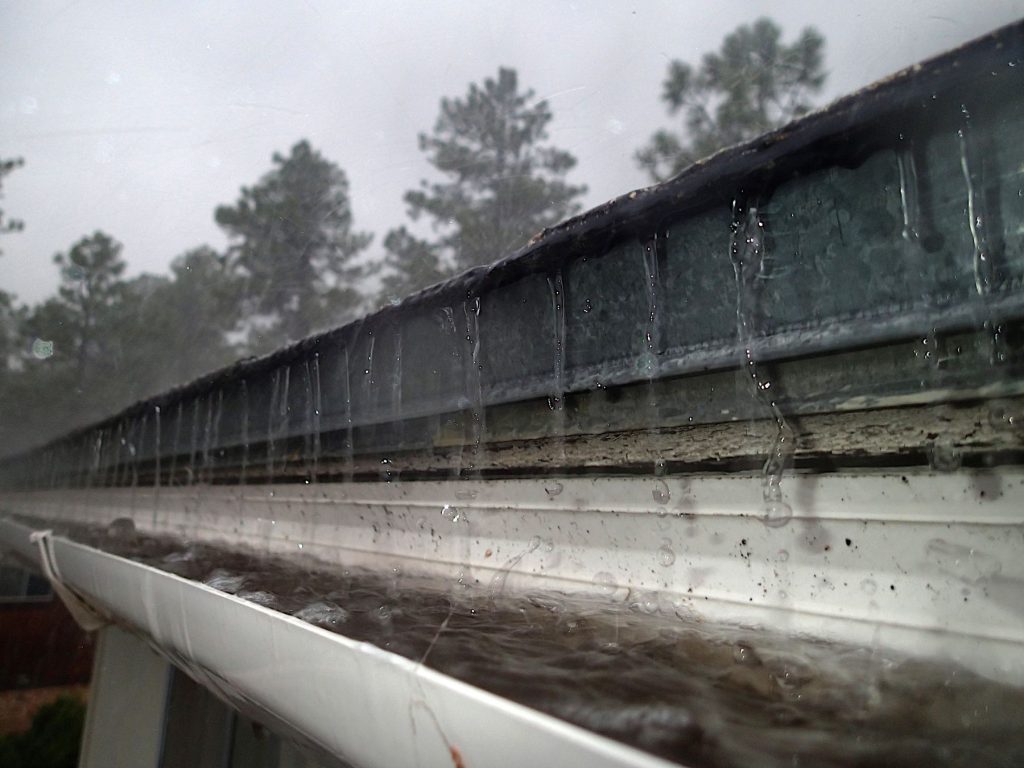
In western Washington, the heaviest rain usually arrives between November and January. If your gutters are packed with needles and leaves when it starts, water spills over the edge instead of draining away.
What overflowing gutters damage
- Fascia boards and roof edges that stay wet and begin to rot
- Siding streaked with dirty runoff
- Soil around your foundation, which can lead to basement moisture
- Walkways that turn slick with algae
A good rule of thumb
Most homes need gutter cleaning at least once a year, ideally in mid to late fall after most leaves have dropped. Homes under tall evergreens often need a second cleaning in spring.
Don’t forget the downspouts. A clean gutter won’t help if the downspout is clogged. We flush downspouts as part of our gutter service.
Roof care · 4 min read · By the Sam’s Suds crew
5 signs your roof has a moss problem
Moss starts small, usually on north-facing slopes and shaded sections. Catching it early makes removal easier and cheaper.
- Green lines between shingles. Moss settles first in the gaps and seams where moisture collects.
- Fuzzy patches on the north side. Less sun means slower drying and faster growth.
- Dark streaks. These are usually algae, which often appears alongside moss.
- Moss clumps in the gutters. When birds and squirrels pick moss off the roof, it ends up in your gutters.
- Lifting shingle edges. Moss roots can push under shingles and lift them, letting water in.
If you’re seeing two or more of these, it’s a good time to schedule a cleaning and moss treatment.
Solar · 3 min read · By the Sam’s Suds crew
Does cleaning your solar panels really make a difference?
Rain rinses some dust off solar panels, but it doesn’t remove everything. Sticky spring pollen, bird droppings, sap and moss creeping in from the surrounding roof can all build up and cast shade on cells.
When to clean
Late spring, after the heaviest pollen season, is a good time for a cleaning ahead of the long summer days when your panels produce the most.
Why a pro?
Panels should be cleaned with soft brushes and purified water, never abrasive tools or high pressure, which can scratch the glass or damage seals. Working safely on a roof matters too. We clean panels carefully and can check the roof around them for moss at the same time.
Windows · 3 min read · By the Sam’s Suds crew
How often should you wash your windows in Seattle?
It seems like rain should keep windows clean, but rainwater carries dust and pollen and leaves spots behind as it dries.
Our recommendation
For most Seattle-area homes, plan on exterior window cleaning twice a year: once in spring to clear winter grime and pollen, and once in late summer or early fall to get bright windows before the darker months. Interior windows usually need cleaning once or twice a year.
Homes near the water or busy roads may need more frequent cleaning. Don’t forget skylights, which collect needles and moss and are easy to overlook.
Pressure washing · 4 min read · By the Sam’s Suds crew
Getting your deck and fence ready for summer
After months of rain, many decks and fences develop a green or black film of algae and mildew. Beyond looking bad, it makes deck boards slippery.
Wash, don’t blast
Wood is softer than concrete. Too much pressure raises the grain, leaves “wand marks” and can splinter boards. We use moderate pressure, the right tips and cleaning solutions to lift the growth without damaging the wood.
Timing
Late spring is ideal: the wood has a chance to dry out fully over the summer, and if you plan to stain or seal it, a freshly cleaned and dried deck is the right starting point.